
Amomum compactum
Amomum compactum
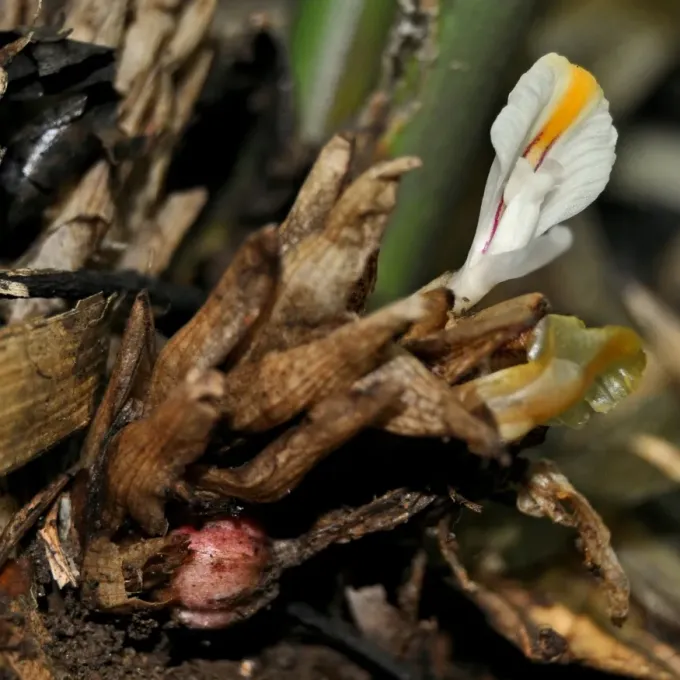
Description
Sowing dates
In commercial agriculture, Amomum compactum is typically propagated vegetatively by dividing mature rhizomes. The optimal planting time is at the beginning of the rainy season, which provides the necessary moisture to facilitate rapid root establishment and initial plant growth.
Seed propagation is less common due to long dormancy periods and the necessity of specific stratification techniques. When seeds are used, they are sown in nursery beds with high organic content under temperatures consistently above 25 degrees Celsius.
Proper spacing between plants is crucial for development and effective farm management. Depending on soil fertility, the recommended planting density is generally around 1x1 meter or 1.5x1.5 meters to ensure sufficient root space and access to nutrients.
Soil preparation involves deep tillage and the incorporation of compost or manure months before planting. Adequate drainage is essential, as waterlogging is highly detrimental to the rhizomes and can lead to rapid decay of the entire root system.
Mulching the soil surface post-planting is a standard practice to maintain soil moisture and suppress weed growth. Regular observation during the first few weeks is required to ensure that the young transplants are thriving in their new environment.
Growing requirements
Amomum compactum belongs to the Zingiberaceae family and is a native of tropical regions in Southeast Asia. It thrives in humid forest conditions, naturally adapted to the dappled sunlight provided by the canopy of larger trees.
The crop requires a stable tropical climate with temperatures generally ranging from 20 to 30 degrees Celsius. It is highly sensitive to extreme temperature fluctuations, which can hinder plant development and negatively impact the final crop yield.
High relative humidity is essential for the healthy growth of this species. In cultivation, it is often grown under artificial shade or as an intercrop within agroforestry systems to protect the broad leaves from direct, harsh solar radiation.
Ideal soil for this spice includes rich, well-aerated, loamy soils with a neutral to slightly acidic pH. Sandy soils that fail to retain nutrients or heavy clay soils prone to water accumulation are considered unsuitable for long-term production.
Protection from strong winds is necessary to prevent mechanical damage to the foliage and stems. Growers often install windbreaks to maintain a microclimate that supports optimal growth throughout the development stages of the plant.
Yield
The economic value of Amomum compactum lies in its seed-bearing capsules. Growers can typically expect the first commercial harvest between two and three years after initial planting, depending on environmental conditions and maintenance practices.
Yield capacity is highly dependent on the age of the plantation and the consistency of agronomic inputs. Peak productivity is typically observed in mature plants between four and five years old, provided the plants are kept in a vigorous, disease-free state.
Because the fruits develop near the base of the stems, harvesting must be handled with care to avoid damaging the rhizome mat. Careful manual picking is the standard method to ensure that reproductive capacity is preserved for subsequent seasons.
Immediate post-harvest processing, particularly drying, is vital to ensure product quality and shelf life. The drying process must be strictly managed to remove excess moisture while preserving the delicate essential oils that provide the plant's characteristic aroma.
The efficiency of the operation is measured by the ratio of fresh to dry weight of the harvest. As a premium spice, often referred to as Java cardamom, high-quality production fetches significant interest from both the food and pharmaceutical sectors.
Main diseases and pests
Fungal pathogens are the most significant threat to Amomum compactum plantations, particularly in high-humidity environments. Root rot and leaf blights can spread quickly if management practices do not prioritize hygiene and proper airflow.
Pests such as aphids and spider mites can cause severe damage by feeding on the sap of young stems and leaves. This feeding reduces the plant’s photosynthetic capacity and can lead to stunted growth and lower fruit yields if not addressed.
Nematode infestations represent a hidden challenge, damaging root structures and potentially serving as an entry point for secondary infections. Preventing nematode entry through the use of clean, disease-free planting material is a critical management strategy.
Leaf spots are common after prolonged rainy periods. Effective control involves the prompt removal and destruction of infected plant debris to reduce the pathogen load within the plantation environment, coupled with balanced nutrient application.
Integrated Pest Management (IPM) is highly recommended for these plantations. Frequent field monitoring allows for the early detection of issues, enabling growers to mitigate threats through targeted, ecological practices rather than relying solely on heavy chemical intervention.
Harvesting
Harvesting Amomum compactum is a skilled task that requires laborers to distinguish between ripe and unripe capsules. Only fully mature capsules contain the concentrated essential oils and specific flavor profiles that define a high-grade product.
Manual harvesting using hand tools is standard to prevent injury to the rest of the plant. This is a labor-intensive process, as it often requires repeated passes through the field to catch fruits as they reach optimal maturity.
Post-harvest cleaning is necessary to remove soil, leaves, and other debris. Sorting must be done carefully to ensure that only healthy, high-quality capsules move into the drying stage, which helps maintain the overall standard of the batch.
Drying is performed under temperature-controlled conditions to slowly reduce moisture to a target range of 10-12 percent. Rapid drying at excessive temperatures can volatilize essential oils, significantly decreasing the quality and commercial value.
Storage of the finished product requires a cool, dry, and dark environment to preserve the chemical constituents of the spice. Proper packaging that acts as a moisture barrier is essential for maintaining freshness until the product reaches the end consumer.