
Amomum aromaticum
Amomum aromaticum
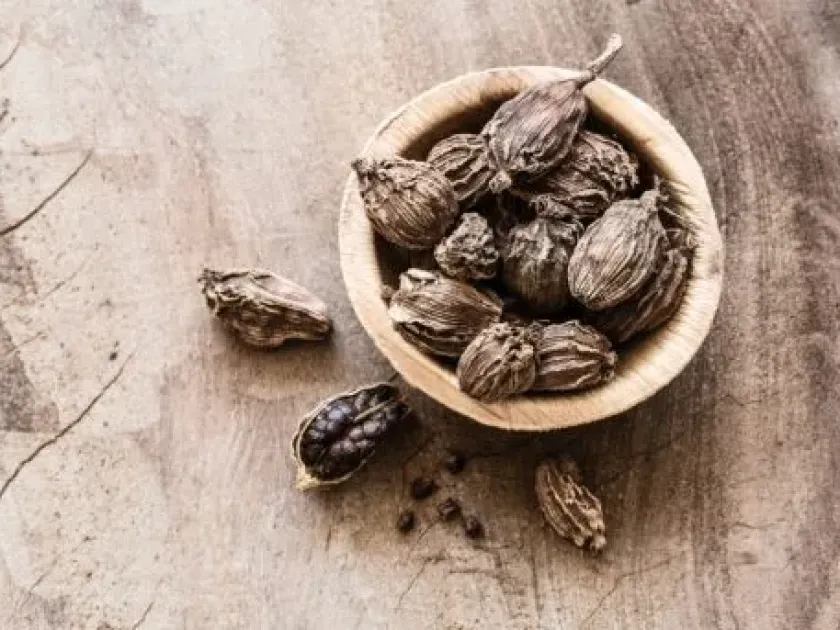
Description
Growing requirements
Amomum aromaticum is a perennial herb belonging to the Zingiberaceae (ginger) family. This crop is primarily cultivated for its aromatic seeds, which are highly valued in both culinary arts and traditional medicine due to their unique flavor profile.
The plant is native to the tropical regions of Southeast Asia, particularly India and Bangladesh. It thrives in humid, shaded environments, typically growing in the understory of forests where it is protected from intense, direct solar radiation.
Agricultural success depends on well-drained, nutrient-rich soil that remains consistently moist. A soil pH ranging from slightly acidic to neutral is considered ideal for supporting the plant's robust development and high concentration of essential oils.
Climatic conditions for Amomum aromaticum require consistent tropical temperatures throughout the year. The species is highly sensitive to cold, and any exposure to frost or prolonged chilling temperatures can significantly damage the root system and reduce future yields.
Agronomic management includes frequent mulching to maintain soil moisture and suppress weed growth. Propagation is predominantly performed through rhizome division, which ensures genetic consistency and accelerates the establishment phase of the crop compared to propagation by seed.
Main diseases and pests
The main threat to this crop involves fungal pathogens that thrive in waterlogged soil conditions, leading to root and rhizome rot. To mitigate these risks, growers must prioritize the implementation of effective drainage systems and avoid over-irrigation.
Insect pests, such as spider mites and various borers, can impact plant health during dry seasons. Integrated Pest Management (IPM) strategies, including biological controls and regular field monitoring, are essential for maintaining yield quality without relying on synthetic chemicals.
Harvesting
Harvesting is a labor-intensive process that occurs when the seed pods have reached full maturity. The pods are hand-picked, carefully dried to preserve their essential oil content, and then the seeds are extracted for distribution in global spice markets.