
Sweetleaf
Symplocos tinctoria
Description
Sowing dates
Sweetleaf is typically propagated through seeds or cuttings. Seeds require cold stratification, so fall planting is recommended to mimic natural environmental conditions for successful germination in the spring.
In nursery settings, seeds are sown in light, well-draining media. Maintaining a consistent temperature of around 20 degrees Celsius is essential, as the species can exhibit irregular germination rates, requiring patience and care from the grower.
Softwood or semi-hardwood cuttings are taken in late summer for vegetative propagation. Using rooting hormones and maintaining high humidity under plastic covers significantly increases the success rate of root development.
Young plants should be container-grown in a nursery for 1–2 years before transplanting to their permanent location. This ensures the root system is robust enough to handle the stresses of the open field or garden environment.
Transplanting is best performed in early spring after the risk of frost has passed, allowing the plant to establish itself before the heat of summer begins.
Growing requirements
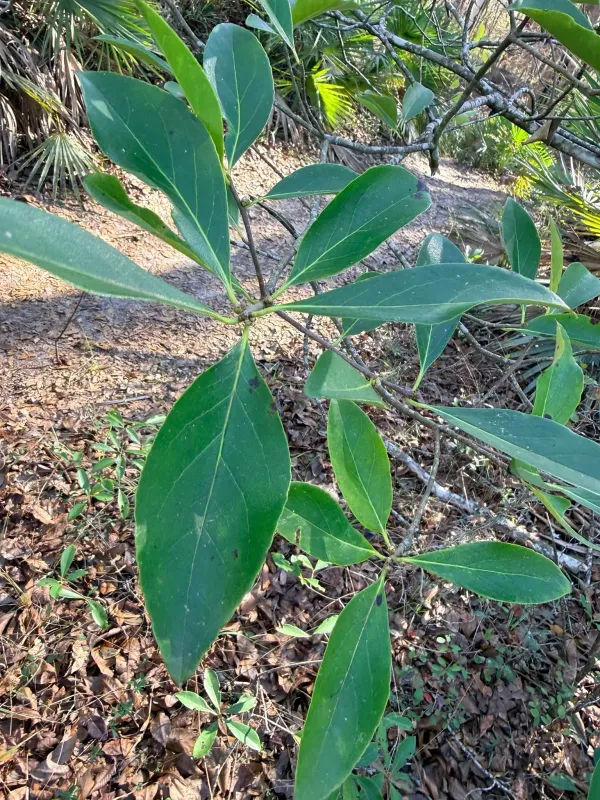
Symplocos tinctoria, commonly known as sweetleaf or horse sugar, belongs to the Symplocaceae family. It is a semi-evergreen shrub or small tree native to the southeastern United States, historically valued for its foliage and bark used in dyeing.
The plant thrives in moist, acidic, well-draining soils rich in organic matter. While it prefers these specific conditions, it is sensitive to waterlogged environments, which can lead to root decay and overall plant decline.
Sweetleaf performs best in partial shade, mimicking the forest understory where it naturally grows. However, it can adapt to areas with more sunlight provided that adequate moisture levels are consistently maintained.
Ideal growth occurs in temperate climates with temperatures ranging between 18 and 25 degrees Celsius. In areas prone to hot, dry summers, regular irrigation is mandatory to prevent leaf scorch and premature shedding.
Applying organic mulch, such as pine needles or acidic compost, around the base helps retain soil moisture and maintain the necessary acidic pH levels for optimal nutrient uptake.
Yield
The primary yield consists of leaves and bark, which contain a yellow pigment used in natural dyeing processes. Proper timing is critical to ensure the highest concentration of these pigments in the harvested plant material.
Harvesting leaves is usually carried out during the peak of the growing season. Periodic pruning of the shrubs not only yields material but also promotes denser, more productive growth in subsequent seasons.
Soil fertility management is essential for maximizing yield. Regular application of balanced, acid-loving plant fertilizers can significantly increase the total biomass and the intensity of the pigment produced by the plant.
Bark is obtained as a byproduct of maintenance pruning. Care must be taken to harvest only from smaller branches to ensure the structural integrity and health of the main stem are preserved.
Drying the harvested material should occur in a shaded, well-ventilated area. Keeping temperatures below 40 degrees Celsius prevents the degradation of the delicate chemical compounds responsible for the dyeing properties.
Main diseases and pests
Sweetleaf is relatively resistant to major pests, but its reliance on specific moisture levels makes it susceptible to fungal issues if managed improperly. Good air circulation in the canopy is the best defense against disease.
Powdery mildew and leaf spot can become an issue in crowded plantings. Implementing proper spacing and avoiding overhead irrigation can significantly reduce the risk of these foliage diseases.
Aphids and scale insects may occasionally infest the young, tender tips of the plants. Integrated pest management, focusing on biological controls, is preferred to avoid contamination of the foliage used for dyeing.
Root rot is the most serious threat, typically caused by poor soil drainage. If discovered early, affected areas should be pruned, and drainage should be improved immediately to prevent total plant loss.
Small mammals, such as voles or rabbits, may cause damage by gnawing on the bark during the dormant season. Protecting the lower trunk with wire mesh can prevent this type of mechanical injury.
Harvesting
The harvesting of leaves is best performed manually during the mid-summer months when the plant has fully leafed out. This practice allows for the selective harvesting of the healthiest foliage.
When collecting bark from prunings, the cuts should be made cleanly and close to the branch collar to facilitate quick healing. This practice maintains the longevity of the plant and its ability to produce future crops.
- Use sharpened and sanitized pruning shears.
- Sort harvested material immediately to remove any diseased or damaged leaves.
- Store dried material in breathable, opaque containers to protect against humidity and UV degradation.
Proper handling after harvest is essential for product quality. Fresh leaves should be kept in ventilated crates to prevent overheating, which can spoil the pigments through fermentation.
Developing a rotational harvesting system ensures a sustainable supply of raw material while allowing individual plants sufficient recovery time between harvests.