
Symplocos sawafutagi
Symplocos sawafutagi
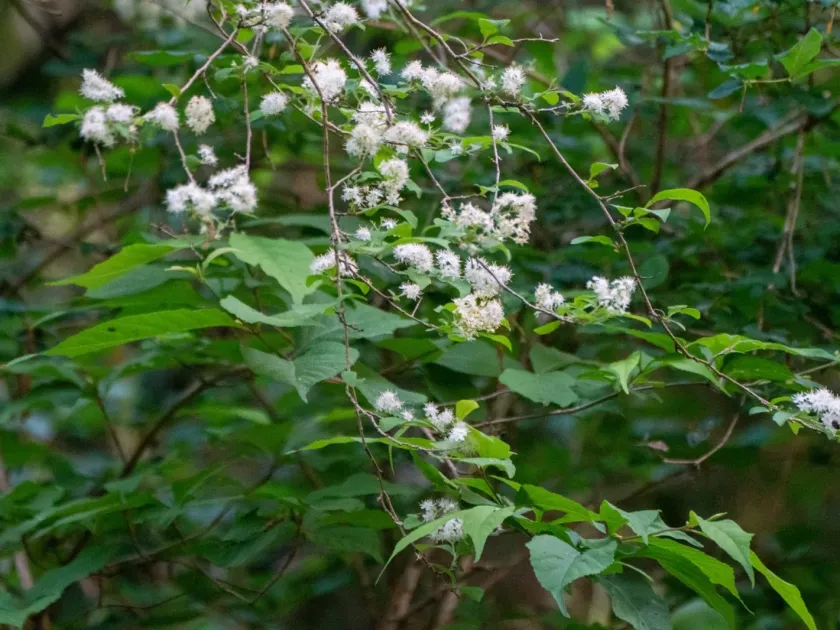
Description
Growing requirements
Symplocos sawafutagi is a deciduous shrub belonging to the Symplocaceae family. It is highly regarded in horticulture for its elegant form and unique appearance, especially during its fruiting period.
Native to the mountainous regions of Japan, this species thrives in climates with moderate humidity and temperature fluctuations. It generally prefers sheltered spots in the garden that offer partial shade.
The plant has specific soil requirements: it flourishes in acidic, well-draining, and nutrient-rich soils. Heavy, waterlogged soils are detrimental to its root health and should be avoided or amended.
In terms of growth habits, it maintains a slow to moderate growth rate. Its aesthetic value is derived from its white spring flowers and, most importantly, its vibrant blue fruits that appear in late summer and autumn.
Proper planting involves ensuring the root ball is at the correct depth and providing sufficient mulch to keep the roots cool, which is essential for the plant's overall vitality in warmer regions.
Main diseases and pests
Root rot is the primary threat to Symplocos sawafutagi, usually caused by poor drainage or excessive irrigation. Once the roots are compromised, the entire plant structure quickly declines.
Pests such as aphids and scale insects may occasionally infest the foliage, particularly during dry spells. These pests can weaken the plant by extracting sap from tender young stems and leaves.
Fungal infections, such as powdery mildew, can occur if the plant is situated in an area with low air circulation or high humidity levels that remain stagnant within the dense foliage canopy.
Regular maintenance is the most effective preventative measure. This includes seasonal thinning of branches to improve airflow and monitoring the soil moisture levels to avoid potential waterlogging issues.
If chemical treatments become necessary, they should be applied cautiously, following manufacturer instructions to ensure that the delicate balance of the plant's ecosystem is not disrupted.