
Sapphireberry
Symplocos paniculata
Description
Growing requirements
Symplocos paniculata, commonly known as Sapphireberry or Asiatic sweetleaf, is a deciduous shrub or small tree belonging to the Symplocaceae family. It is native to Eastern Asia, including regions in Japan, China, and the Himalayas, often found in mountain forests and slopes.
The plant thrives in well-drained, moderately moist soils with a slightly acidic to neutral pH. It performs best in locations that offer full sun to partial shade, providing the plant with enough energy for the production of its characteristic blue fruit during the late autumn season.
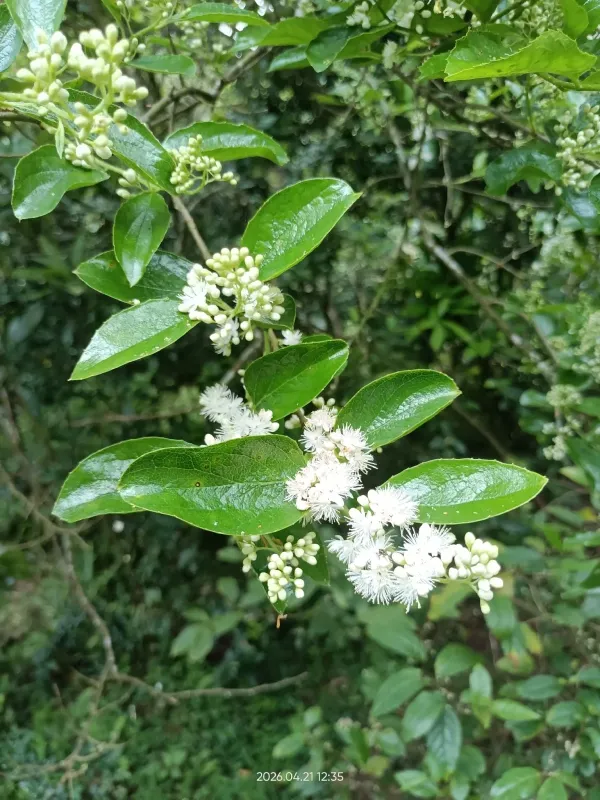
Botanically, it is distinguished by fragrant, white flowers arranged in panicles that bloom in late spring. These are followed by striking, bright blue berries that make the shrub a highly desirable ornamental plant for landscapes and botanical collections worldwide.
Agricultural care involves consistent watering during the initial establishment period and subsequent mulching to retain soil moisture. It is relatively hardy but benefits from a sheltered position to avoid damage from strong winds that can impact its growth structure and leaf condition.
Pruning is recommended in late winter or early spring to remove dead or overlapping branches, which helps to maintain the shrub's health and form. Regular feeding with balanced organic fertilizers encourages vigorous growth and enhances the plant's seasonal display.
Main diseases and pests
Sapphireberry is generally resilient, but it can be susceptible to common garden pests such as aphids and spider mites, especially in hot, dry conditions. Monitoring the underside of leaves for these pests is a standard maintenance practice for healthy growth.
Fungal issues, such as powdery mildew, may affect the foliage if the air circulation around the shrub is inadequate or if humidity levels remain high for extended periods. Proper spacing between plants is crucial for maintaining a healthy microclimate.
Root rot is a potential risk in poorly drained soils where water stagnation occurs. Ensuring the planting site has a correct drainage system prevents this fatal condition and promotes a deep, healthy root system essential for the long-term survival of the shrub.
Preventative measures include removing fallen leaves and debris from the base of the plant to eliminate overwintering sites for insects and fungal spores. Maintaining a clean and aerated growing space reduces the need for chemical interventions significantly.
In cases of severe infestations or disease, appropriate systemic fungicides or organic horticultural oils can be used. Always apply such treatments in the early morning or evening to avoid direct sunlight and protect beneficial insects from chemical exposure.