
Symplocos myrtacea
Symplocos myrtacea
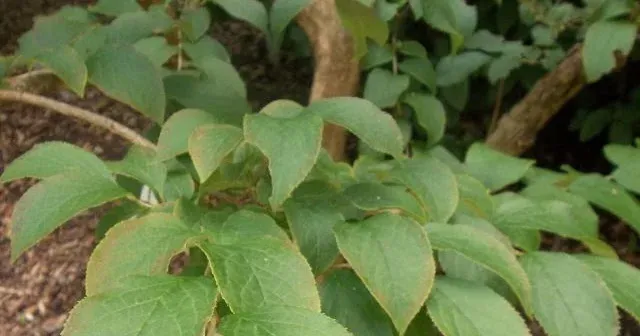
Description
Sowing dates
Propagation of Symplocos myrtacea is most commonly achieved through seeds or cuttings under controlled conditions. Seeds are sown in a prepared substrate in late winter or early spring, requiring a stratification period to increase germination rates.
When using cuttings, semi-hardwood shoots are selected and cut during the summer months. The cuttings are treated with rooting hormones and planted into a light, well-draining soil mixture.
It is essential to maintain consistent soil moisture and high humidity levels until the young plants have successfully rooted. The optimal temperature for germination and seedling development is between 18 and 22 degrees Celsius.
Transplanting young saplings to their permanent location is recommended in the spring, once the risk of night frosts has passed. This allows the plant to adapt to new environmental conditions before the active growth phase begins.
For container-grown specimens, it is necessary to consider the need for regular repotting as the plant’s root system expands.
Growing requirements
Symplocos myrtacea belongs to the Symplocaceae family and is an evergreen shrub or small tree native to the regions of East Asia, primarily Japan.
For healthy growth, the crop requires moist, acidic or slightly acidic soils rich in humus. The plant does not tolerate waterlogging, so adequate drainage is a mandatory condition to prevent root rot.
The species prefers partial shade or dappled light, as direct midday sunlight can cause leaf scorch. In regions with hot summers, providing extra ambient humidity around the plant is beneficial.
Climatic requirements include protection from strong cold winds, as Symplocos possesses moderate cold hardiness. In regions with harsh winters, winter protection or greenhouse cultivation is standard practice.
An important aspect of agronomy is mulching the root zone with pine needles or peat, which helps maintain the required soil acidity and prevents the roots from drying out.
Main diseases and pests
Symplocos myrtacea is relatively resistant to diseases; however, if moisture management is neglected, it may become susceptible to fungal infections such as powdery mildew or leaf spot.
Common pests affecting the plant include sucking insects such as spider mites and scale insects, which often thrive in dry air or on weakened specimens.
To combat fungal infections, modern systemic fungicides are used. It is important to initiate treatment at the first signs of mycelial growth or discolored spots on the leaves.
Pest prevention involves regular crown inspection and maintaining general garden hygiene. If mite colonies are detected, acaricides are used, while contact insecticides are effective against scale insects.
A balanced nutrient supply is a key factor in plant health. Excessive nitrogen fertilization can make young shoots more vulnerable to aphid infestations and other opportunistic pests.
Harvesting
The horticultural use of Symplocos myrtacea is primarily focused on ornamental landscaping for gardens, parks, and conservatories. It is highly valued for its attractive glossy foliage and elegant flower clusters.
In its natural habitat, the plant can be used as part of ecological restoration or biodiversity-friendly plantings. While the wood of the species does not have significant industrial importance, it is sometimes used for small-scale woodworking.
Fruit harvesting is not of significant dietary importance, yet the berries can support local bird populations, making the plant a great addition for wildlife-friendly gardens.
When used in landscape design, pruning should be performed after flowering to shape the crown and stimulate the development of flower buds for the following season.
Regular sanitary cleaning of the crown, removing dead or damaged branches, ensures the plant maintains its ornamental appearance throughout its life cycle.