
Symplocos martinicensis
Symplocos martinicensis
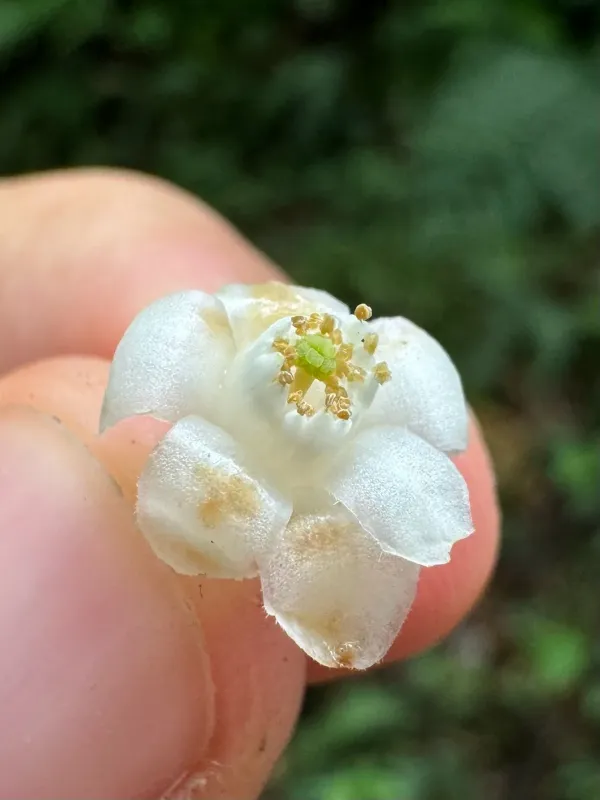
Description
Growing requirements
Symplocos martinicensis is an evergreen woody plant belonging to the Symplocaceae family, native to the Caribbean region, particularly the Lesser Antilles. It typically grows as a tree or a large shrub in its natural tropical habitat.
The species is characterized by its simple, leathery leaves and small, often fragrant flowers that contribute to the biodiversity of the Caribbean rainforests. Its botanical structure allows it to thrive in the dense understory of primary and secondary forests.
For cultivation, this species requires a warm, tropical climate with no frost exposure. High atmospheric humidity and consistent precipitation are essential for the plant to reach its full development, making it unsuitable for arid or temperate environments.
Soil preferences involve well-drained, nutrient-rich substrates that mimic the floor of a tropical forest. It generally favors acidic to neutral soil pH, and soil aeration is critical to prevent root rot and ensure healthy growth of the root system.
Economically and ecologically, Symplocos martinicensis plays a role in local reforestation efforts and landscaping within tropical zones. Its ability to tolerate shade makes it a valuable candidate for layered tropical gardens where dense canopy cover is present.