
Symplocos macrophylla
Symplocos macrophylla
Description
Growing requirements
Symplocos macrophylla is a prominent species within the Symplocaceae family, native to the tropical forests of India and Sri Lanka. This evergreen tree is highly valued for its robust growth and specific chemical composition of its foliage.
The plant thrives in fertile, well-draining soils rich in organic matter. Agricultural success requires soil moisture consistency, as the species is sensitive to prolonged water stress despite its tropical nature.
Optimal environmental conditions include a consistent tropical climate with temperatures typically ranging between 22 and 30 degrees Celsius. High humidity levels are beneficial for the development of healthy, dense leaf structures.
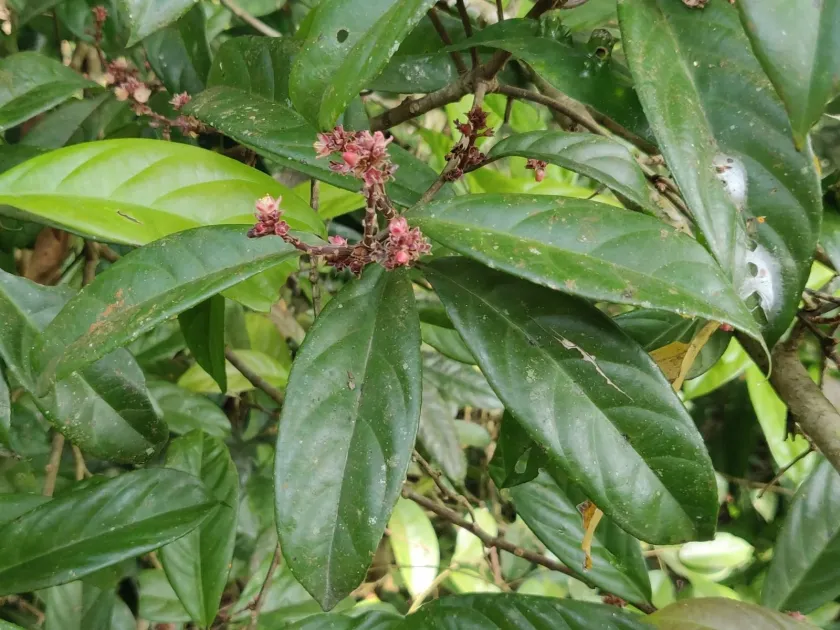
Botanically, it features large elliptical, leathery leaves and terminal inflorescences. The species can grow into a medium-sized tree, providing a dense canopy that is often utilized for ecological restoration and forest cover.
Commercially, Symplocos macrophylla is exploited for its high tannin content found in the bark and leaves. These extracts are traditionally used in artisanal dyeing processes as mordants, ensuring the durability of natural pigments on fabrics.
Main diseases and pests
Fungal infections, particularly root rot, represent the most significant threat to the health of these trees. This usually occurs when the soil lacks proper drainage or when excessive irrigation is practiced.
Pests such as scale insects and spider mites can infest the foliage, particularly in greenhouses or during dry seasons. Regular visual inspections are necessary to implement early pest control strategies.
Anthracnose is a common leaf disease that can cause premature leaf drop if left untreated. Integrating proper spacing and pruning techniques helps to reduce the spread of spores throughout the orchard.
Nematode infestations in the root zone can hinder nutrient uptake, resulting in stunted tree growth. Using sterilized potting media and incorporating organic matter helps to suppress nematode populations.
Environmental stress, including extreme humidity fluctuations, can weaken the plant's resistance to minor pathogens. Maintaining a stable, well-ventilated growing environment is essential for maximizing overall plant health.