
Symplocos lucida
Symplocos lucida
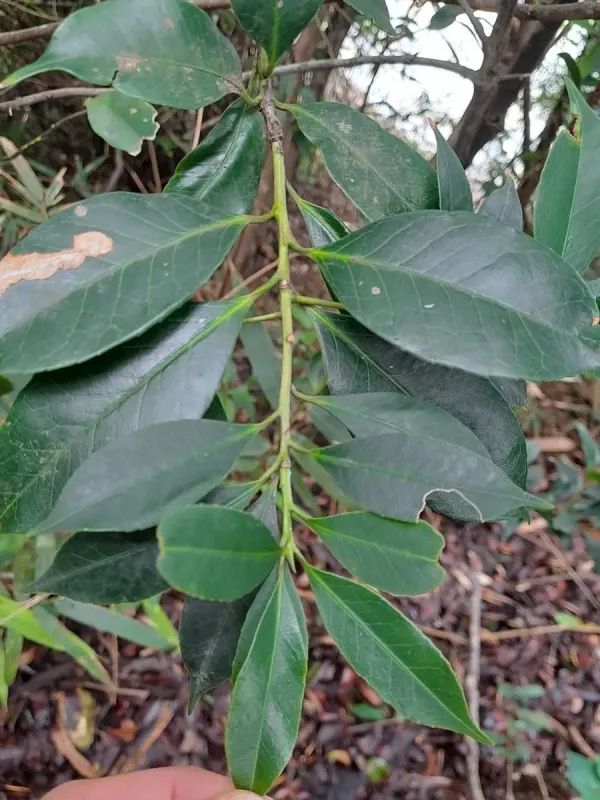
Description
Growing requirements
Symplocos lucida is an evergreen shrub or small tree belonging to the Symplocaceae family. It is native to the subtropical and warm-temperate forest regions of East Asia, thriving in areas with high humidity and consistent rainfall.
The plant performs best in acidic, well-drained soil rich in organic matter. Soil pH balance is crucial, as the species is highly susceptible to chlorosis if the growing medium is too alkaline or lacks necessary micronutrients.
Climate-wise, it requires protection from harsh, drying winds and extreme frost. While it can tolerate a variety of light conditions, partial shade is generally considered optimal for maintaining lush, dark green foliage.
Cultivation practices should focus on maintaining adequate soil moisture. During the establishment phase, young plants require frequent irrigation, while mature specimens benefit from organic mulch to regulate root temperature.
Economically, Symplocos lucida is valued primarily for its role in ornamental landscaping and as a specimen plant in botanical gardens. Historically, some species within the genus have been used as a source for natural yellow dyes.
Main diseases and pests
Common plant health issues include root rot caused by poor soil drainage. Ensuring that the planting site has excellent water permeability is the most effective preventative measure.
Pest problems are often limited to sap-sucking insects like scale insects and mealybugs. These can be managed through regular monitoring and the use of insecticidal soaps when infestations are detected early.
Susceptibility to leaf spots can increase if the canopy is too dense, preventing the leaves from drying after rain. Pruning for airflow is an essential part of maintaining a healthy plant.
Nutrient deficiency is another common threat, specifically manifesting as yellowing between the leaf veins. This indicates a need for iron chelate or acidified fertilizer treatments.
Ultimately, a well-balanced maintenance program involving consistent fertilization and proper site selection will keep the plant resistant to typical diseases.