
Symplocos leucocarpa
Symplocos leucocarpa
Description
Growing requirements
Symplocos leucocarpa is an evergreen tree or shrub belonging to the family Symplocaceae. Native to the subtropical and tropical forests of Southeast Asia, it is known for its ability to adapt to humid environments and specific soil conditions.
For successful cultivation, the plant requires moist, well-drained, acidic soil rich in organic matter. Proper drainage is essential to prevent root asphyxiation, which is a common failure factor in poorly managed agro-environments.
The climate requirements for Symplocos leucocarpa center on stability. It thrives in frost-free regions and is sensitive to extreme temperature fluctuations. In temperate zones, cultivation is usually limited to controlled environments like greenhouses or sheltered gardens.
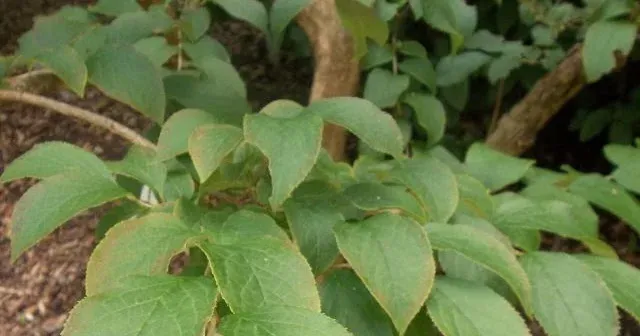
From a botanical standpoint, the plant is distinguished by its leather-like foliage and white drupe fruits. It exhibits a slow to moderate growth rate, requiring consistent soil moisture and nutrient availability to maintain its health and physiological vigor.
Economically, the plant is utilized for its bark and leaves, which are traditionally valued for the extraction of tannins and natural dyes. Its chemical composition also makes it a subject of interest in pharmaceutical research for potential therapeutic properties.
Main diseases and pests
Root rot pathogens represent the most significant threat to Symplocos leucocarpa, typically triggered by improper watering practices. Maintaining an optimal irrigation schedule is crucial for long-term survival.
Insect pests, such as aphids and leaf-eating beetles, often target tender new growth during the spring season. Integrated pest management strategies are recommended to keep populations below economic damage thresholds.
Soil pH imbalances can lead to severe chlorosis, which stunts plant growth and reduces the quality of its foliage. Periodic soil analysis is necessary to maintain the required acidity levels for nutrient uptake.
In indoor conditions, spider mites pose a constant risk due to low humidity levels. Regular misting and monitoring are effective methods for mitigating this threat and ensuring overall plant health.
Powdery mildew can infect leaves if plant density is too high or airflow is inadequate. Ensuring proper spacing and keeping the leaves dry during evening hours helps to prevent fungal outbreaks.