
Symplocos kawakamii
Symplocos kawakamii
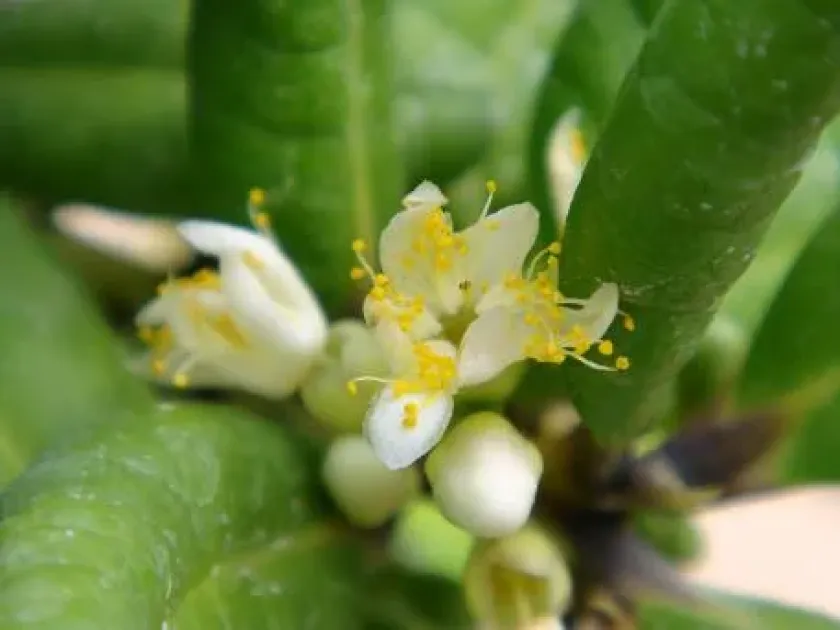
Description
Growing requirements
Symplocos kawakamii is an evergreen woody species belonging to the Symplocaceae family. Native to subtropical forest environments, this plant is characterized by its lush foliage and specific environmental requirements, making it a prized specimen for collectors and specialized gardens.
The species thrives in well-draining, nutrient-rich soils with a slightly acidic to neutral pH. Proper soil aeration is critical; heavy clay soils should be amended with organic matter and drainage materials to prevent root saturation, which the plant cannot tolerate.
Regarding light, Symplocos kawakamii prefers partial shade or dappled sunlight. Intense direct sun exposure, particularly in the afternoon, can cause leaf scorch and dehydration. A location that provides protection from strong, drying winds is essential for maintaining plant vigor.
Temperature management is a key aspect of its cultivation. While it prefers stable, moderate subtropical temperatures, it requires protection from hard frosts in temperate zones. Consistent moisture levels in the root zone are necessary, achieved through regular watering and mulch application.
Fertilization should be handled carefully during the peak growing season using a balanced, slow-release fertilizer. Over-fertilization should be avoided, as it can lead to excessive foliage growth at the expense of root development and overall plant structure.
Main diseases and pests
The primary health threats to Symplocos kawakamii include various fungal pathogens that thrive in conditions of high humidity and stagnant air. Root rot is the most common issue, usually resulting from improper drainage or over-watering practices.
Insect pests, specifically scale insects and spider mites, can pose significant risks. These pests often congregate on the undersides of leaves or along stems, leading to yellowing foliage and stunted growth if not addressed promptly with appropriate control measures.
Integrated Pest Management (IPM) is recommended to manage these threats. This includes regular manual inspection of the plant, promoting beneficial insect populations, and using horticultural oils or insecticidal soaps as a first line of defense against soft-bodied pests.
Disease prevention relies heavily on good cultural practices. Providing adequate spacing between plants ensures proper airflow, which significantly reduces the humidity levels that favor fungal spore germination and pathogen transmission.
In cases of severe infestation or infection, targeted application of systemic fungicides or insecticides may be necessary. However, gardeners should always follow label instructions to minimize chemical impact on the surrounding environment and plant health.