
Symplocos glomerata
Symplocos glomerata
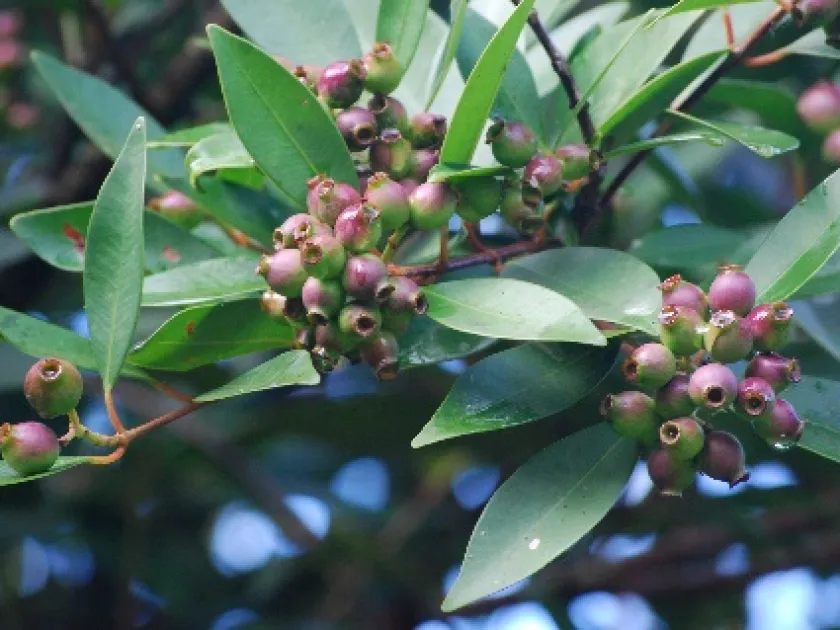
Description
Sowing dates
The propagation of Symplocos glomerata is primarily performed through vegetative methods, such as cuttings, as seeds often require specific stratification processes to ensure high germination rates. In commercial nurseries, planting is scheduled for early spring after the frost-free period begins.
For cuttings, semi-hardwood shoots are selected during mid-summer. Utilizing rooting hormones significantly enhances the success rate of young plants when they are transferred to a prepared growing medium.
Transplanting seedlings to their permanent location is best done in the spring, allowing the root system sufficient time to establish before the onset of the dormant winter season.
Planting density is determined by the intended application: hedges or windbreaks require closer spacing of 1.5 to 2 meters, while ornamental specimens should be spaced further apart to accommodate natural crown development.
Proper site preparation is essential, ensuring the planting pit has a drainage layer to prevent waterlogging, especially in heavier soil types. The location should offer protection from harsh winds and direct midday heat.
Growing requirements
Symplocos glomerata, a member of the Symplocaceae family, thrives in regions with mild, humid climates. It is best suited for subtropical environments where temperature fluctuations are minimal.
The ideal soil for this crop is fertile, rich in organic matter, and slightly acidic. The plant is sensitive to alkalinity and lime-rich soils, which can lead to severe growth inhibition and iron chlorosis.
Water management is critical; the species requires consistent soil moisture throughout the growing season. The use of mulch around the base of the plant helps maintain soil temperature and retains essential moisture levels.
While the shrub can tolerate partial shade, it grows best in areas with dappled sunlight. Full sun exposure may cause leaf scorching unless the plant is provided with an exceptionally reliable irrigation regime.
As a native of mountainous forests in Asia, the plant shows good resilience in moderate wind conditions. Successful cultivation depends on mimicking its natural environment as closely as possible within agricultural settings.
Yield
The primary economic value of Symplocos glomerata lies in its leaves and bark, which are rich in alum-containing compounds. These serve as a traditional and modern resource for high-quality, natural dye extraction in the textile industry.
The yield of raw biomass depends on the age and vigor of the plants. Initial harvesting of leaf material can typically commence five years after planting, once the shrub has achieved a robust, sustainable growth stage.
Regular pruning cycles are essential to stimulate the development of dense foliage, directly increasing the total harvest volume per hectare. Harvesting should be performed toward the end of summer to ensure maximum concentration of active dyeing components.
Beyond its use for dyes, the plant acts as a beneficial honey plant, attracting various pollinators that enhance the local biodiversity of the farm or orchard. This contributes to the overall stability of the surrounding agricultural ecosystem.
The growing market for non-toxic, eco-friendly textile treatments makes the cultivation of Symplocos a promising niche for sustainable agriculture. Long-term productivity is maintained through periodic rejuvenation of the shrub stands.
Main diseases and pests
The most common threats to Symplocos glomerata include fungal pathogens that proliferate under conditions of high humidity or poor air circulation. Proper crown thinning is a vital cultural practice to minimize these risks.
Pests such as aphids and spider mites can occasionally damage young foliage. Growers are encouraged to use biological control agents or soft soaps to mitigate infestations without damaging the plant's health or the surrounding environment.
Physiological disorders, such as chlorosis, often stem from incorrect soil pH levels. Routine soil analysis is necessary to ensure proper nutrient availability and to prevent long-term stress on the plant.
Winter damage from rodents gnawing on the bark can be a significant issue for younger plants. Protective barriers, such as wire mesh or specialized stem guards, are effective methods for preventing such losses.
Ongoing monitoring of the plantation is essential for identifying pest outbreaks or disease symptoms early. Vigilance during the peak growing months is the most effective defense against substantial crop loss.