
Symplocos glauca
Symplocos glauca
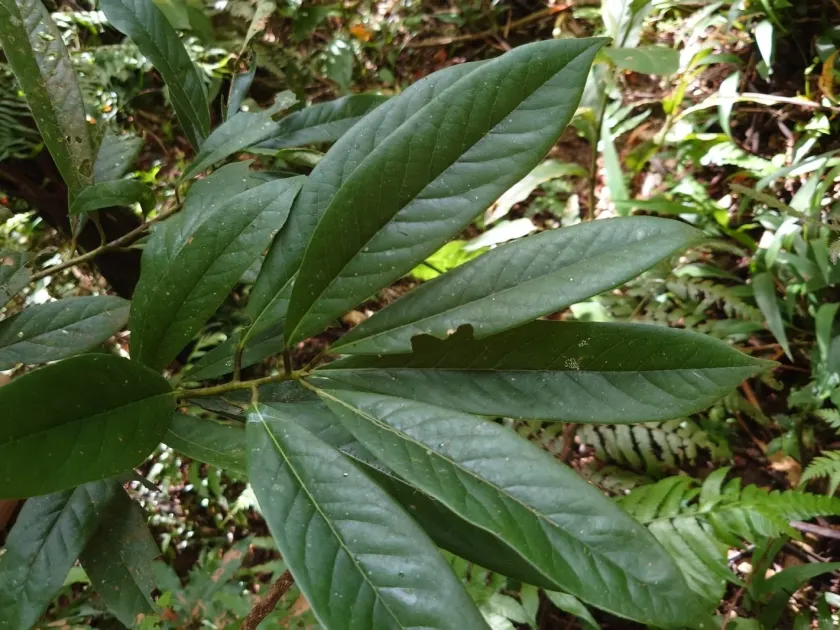
Description
Growing requirements
Symplocos glauca belongs to the Symplocaceae family and is recognized as an elegant evergreen tree or large shrub. It is valued for its dense, glossy foliage and architectural form, which provide a lush aesthetic to the landscape throughout the seasons.
This species is native to East Asia, thriving in regions with high humidity and mild climates. Its geographic range covers parts of China and Japan, where it occupies temperate and subtropical forests, growing well in protected valleys.
The plant requires well-drained, acidic soil rich in organic matter to reach its full growth potential. Proper soil moisture balance is critical, as the roots are sensitive to both waterlogging and extreme desiccation during prolonged dry spells.
Light requirements are flexible; however, Symplocos glauca performs optimally in dappled sunlight or partial shade. Exposure to intense afternoon sun in warmer regions may scorch the foliage, so careful site selection is advised for young specimens.
In addition to ornamental use, the species is appreciated for its resilience and adaptability in temperate gardens. It serves as an excellent candidate for structure-heavy planting schemes, such as hedges or background screening.
Main diseases and pests
The primary threats to Symplocos glauca include fungal pathogens such as leaf spots and powdery mildew, which often flourish in stagnant, humid environments. Maintaining good air circulation within the canopy is essential for prevention.
Pests like scale insects and spider mites are known to infest the plant, drawing sap from the leaves and weakening the tree. Infestations are typically characterized by yellowing leaves and reduced vigor in growth.
Monitoring the undersides of leaves is a standard procedure in integrated pest management for this plant. If pests are detected, targeted applications of horticultural oils or systemic insecticides may be necessary to restore health.
Root rot, induced by poorly draining soil or excessive irrigation, represents a severe threat to the plant's survival. Correcting drainage issues immediately is crucial if the plant displays signs of wilting or leaf drop.
Providing a balanced fertilization schedule specifically designed for acid-loving plants can significantly improve the natural defenses of Symplocos glauca, making it more resistant to common diseases and seasonal stresses.