
Symplocos coronata
Symplocos coronata
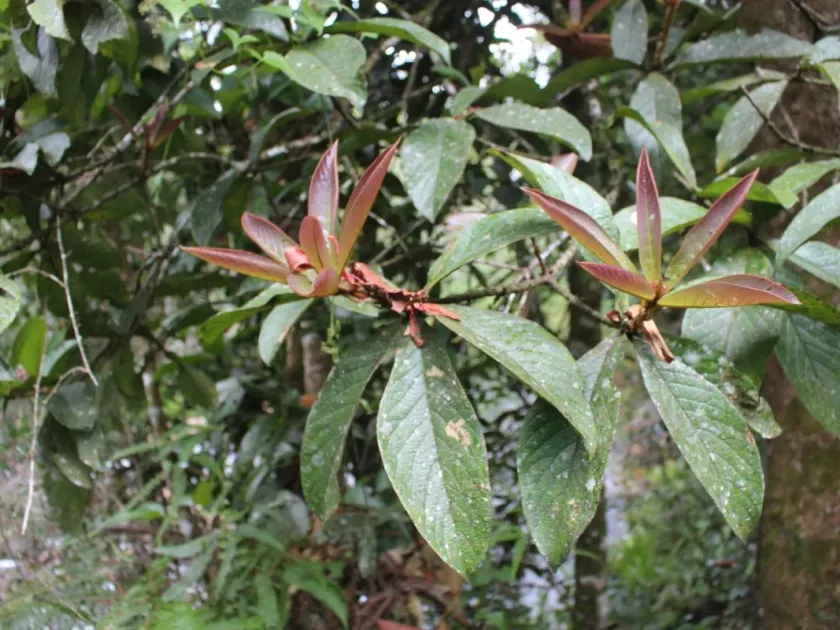
Description
Sowing dates
Symplocos coronata is propagated primarily through seeds or vegetative cuttings within controlled nursery or greenhouse environments.
Seeds should be sown in the autumn months to undergo a necessary period of natural cold stratification to ensure high germination rates.
Vegetative propagation via cuttings is most successful in late spring, selecting healthy and semi-hardwood shoots for the best results.
Proper propagation requires a consistent temperature of about 20-22 degrees Celsius and high humidity to facilitate root development.
Transplanting the seedlings to their permanent outdoor location is best performed when the soil is warm and the risk of frost has passed.
Growing requirements
As a member of the Symplocaceae family, this species thrives in environments that replicate its native subtropical or warm-temperate habitats.
The plant requires fertile, well-draining soil with a slightly acidic pH level, rich in organic matter to support healthy foliage and growth.
It prefers bright, filtered sunlight; direct exposure to intense noon sun during peak summer months can result in scorched leaves and stress.
Water management is critical, requiring a balance where the substrate remains moist but never waterlogged to prevent root system suffocation.
The site selection should prioritize locations shielded from strong, drying winds, which can be detrimental to the plant's structural integrity.
Main diseases and pests
Root rot is the most common threat, often exacerbated by poor drainage and excessive irrigation that leaves the soil permanently saturated.
Common insect pests include aphids and spider mites, which can cause significant damage to young foliage if not controlled early in the season.
Fungal pathogens may emerge in humid, stagnant air, necessitating regular pruning to improve airflow through the center of the shrub's canopy.
- Monitor leaf undersides for early signs of spider mite webbing.
- Implement timely sanitation by removing dead or diseased branches.
Preventative chemical treatments or integrated pest management strategies are recommended to maintain plant health throughout the vegetative cycle.