
Korean sweetleaf
Symplocos coreana
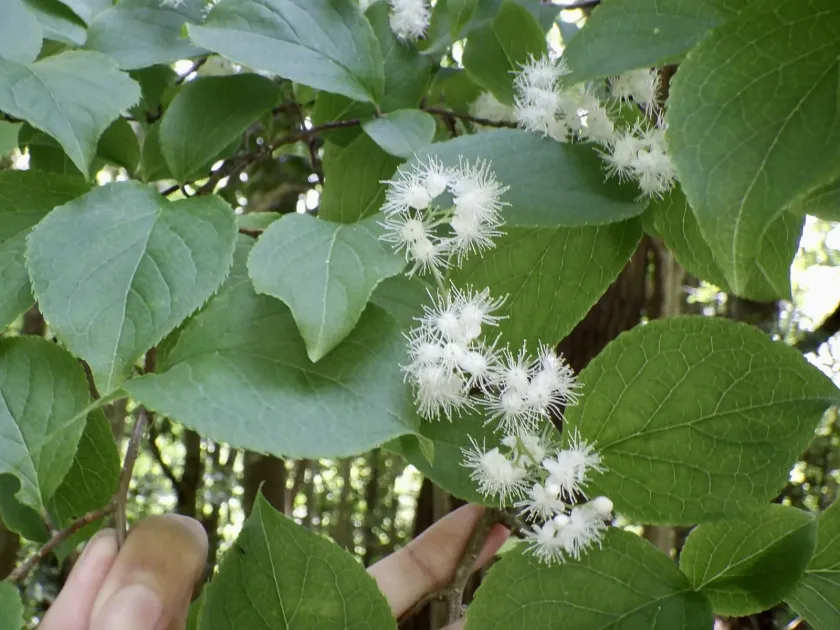
Description
Sowing dates
Propagation of Symplocos coreana is primarily achieved through seeds or stem cuttings. Seeds require a period of stratification to break dormancy, making fall sowing in a prepared nursery bed an effective method for germination in the following spring.
When propagating via cuttings, semi-hardwood stems should be harvested in mid-summer. Placing cuttings in a high-humidity environment with bottom heat significantly increases the rooting success rate for this species.
Soil preparation for sowing must include organic matter incorporation to ensure a loose, crumbly texture. Good drainage is essential, as the seedlings are sensitive to waterlogging during their early developmental stages.
Growth is relatively slow in the first two years, requiring consistent care and weeding to prevent competition. Young plants should be kept in a protected area to avoid extreme temperature fluctuations before they are established.
Transplanting into the garden should occur once the threat of frost has passed. Early spring is the best time for final placement to allow the root system to settle before the summer heat intensifies.
Growing requirements
Symplocos coreana is a shrub belonging to the Symplocaceae family, native to the mountain forests of East Asia. It thrives in temperate regions where cool, moist conditions are present throughout the growing season.
The plant performs best in partial shade, as full sunlight can scorch the foliage in climates with hot summers. A location protected from prevailing winds is ideal to prevent moisture loss and winter damage.
Soil requirements focus on acidity and moisture retention. While the plant prefers acidic to neutral soil, it is vital to avoid heavy, clay-based substrates unless they are amended with grit and compost to improve aeration.
Regular irrigation is essential, especially during the first years of growth and during prolonged dry spells. Mulching the base of the plant helps maintain soil moisture and protects roots from temperature spikes.
Fertilization should be handled with care, using a balanced fertilizer in the early spring to support foliage and flower production. Avoid late-season nitrogen applications to ensure proper dormancy preparation.
Main diseases and pests
The main threats to Symplocos coreana include fungal pathogens, particularly in humid climates. Leaf spot and root rot are common if airflow is restricted or if the plant sits in stagnant water.
Pests like aphids and spider mites can attack new growth during the spring. Regular inspection is necessary, as early detection allows for physical removal or targeted treatment with soap-based insecticides.
Root rot, often caused by overwatering, is a severe risk. If signs of wilting appear, drainage must be reassessed immediately, and fungicides may be necessary to save the plant from progressive decay.
Proper pruning is a preventative measure against disease. Removing crowded branches increases airflow, which naturally reduces the risk of mold and pest colonization in the center of the shrub.
Maintaining a clean garden bed around the specimen is vital. Removing debris and fallen leaves prevents the accumulation of pathogens that could potentially infect the plant during wet seasons.