
Symplocos cochinchinensis
Symplocos cochinchinensis
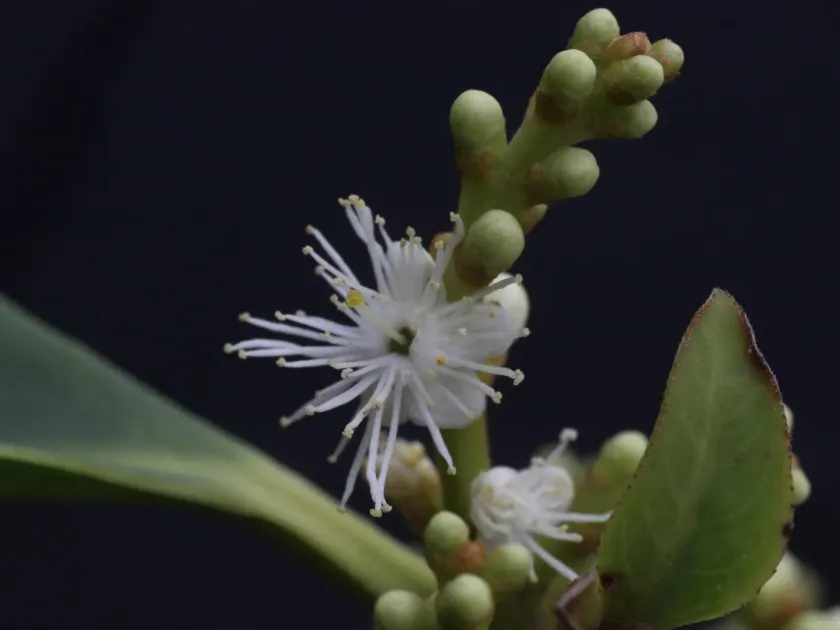
Description
Growing requirements
Symplocos cochinchinensis is a significant evergreen tree or shrub belonging to the Symplocaceae family. It is widely recognized for its robust growth habit, often reaching heights of several meters, and its glossy, lanceolate leaves that characterize its ornamental value.
The plant originates from the tropical forests of Southeast Asia, including parts of China and the Indian subcontinent. It thrives in humid tropical and subtropical climates where temperatures remain moderate and stable. It is strictly sensitive to frost and requires a frost-free environment to maintain its growth cycles.
Regarding soil requirements, the species performs best in deep, well-draining soils rich in organic matter. It prefers slightly acidic to neutral soil pH levels. Adequate drainage is crucial, as the roots are susceptible to rot when exposed to prolonged waterlogged conditions in heavy clay soils.
In terms of agricultural and industrial use, Symplocos cochinchinensis has historically been valued for its bark and leaves, which contain yellow pigments used in traditional dyeing processes. Additionally, the plant serves as a vital component in local agroforestry systems, helping to stabilize soil and maintain moisture in forest fringes.
The plant is biologically versatile, exhibiting a good tolerance for partial shade. This adaptation allows it to flourish in the understory or as a secondary canopy layer in managed agroforestry sites, providing cover for ground-level crops while enhancing local ecological diversity.
Main diseases and pests
The main threats to the health of Symplocos cochinchinensis are soil-borne pathogens and fungal infections like root rot. These are primarily caused by poor soil structure or excessive moisture retention. Improving soil drainage is the most effective preventative measure.
Insect pests such as leaf miners and scale insects can pose a challenge to younger plantations. Growers should implement integrated pest management (IPM) strategies, which include regular inspection and the use of targeted biological controls to preserve the health of the foliage.