
Strelitzia juncea
Strelitzia juncea
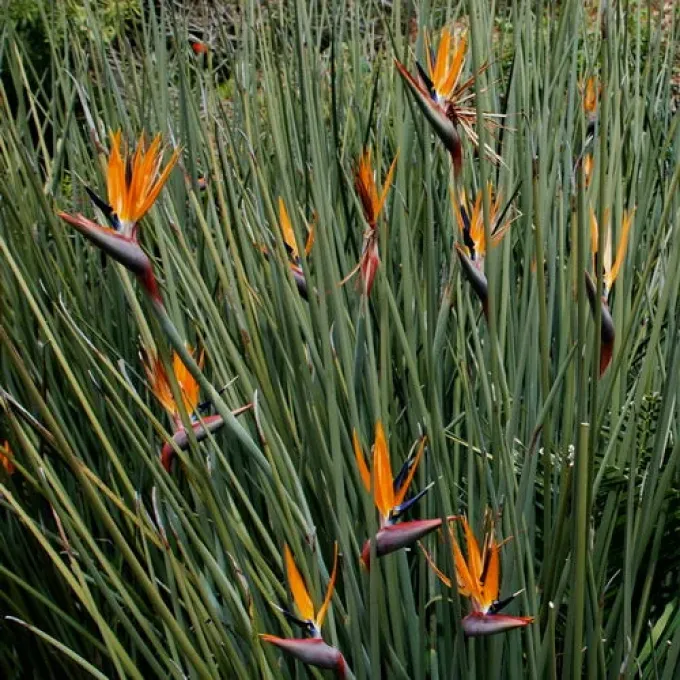
Description
Growing requirements
Strelitzia juncea, a member of the Strelitziaceae family, is a remarkable perennial known for its distinctive needle-like foliage. Native to the arid regions of South Africa, it is highly resilient and serves as a premium ornamental plant in both interior and landscape design.
The primary requirement for this crop is abundant sunlight. It thrives under full sun conditions, which are essential for developing its robust structure and triggering the production of its iconic bird-like flowers.
Optimal growth temperatures range from +20°C to +25°C during the active season. While the plant can tolerate slight temperature fluctuations, it is crucial to avoid cold drafts or sustained temperatures below +10°C, which can cause physiological stress.
The substrate must be highly porous and rich in organic matter. A well-draining soil mix is mandatory, as the roots are highly susceptible to rot if submerged in stagnant water. Maintaining a neutral to slightly acidic pH is ideal for nutrient uptake.
Agricultural management involves deep, infrequent watering during the summer months and a dry period during winter. Fertilization should be focused on the growing season, providing high-potassium nutrients to encourage consistent blooming cycles.
Main diseases and pests
Pest management is centered on controlling common indoor and greenhouse insects. Scale insects and mealybugs frequently hide in the crevices of the leaf bases, necessitating periodic inspection and prompt treatment with horticultural oils or systemics.
Root rot is the most devastating disease affecting Strelitzia juncea, usually caused by overwatering or compacted soil. Prevention through excellent drainage and controlled moisture levels is significantly more effective than curative measures.
Spider mites are common in low-humidity environments. To manage these, maintaining proper air circulation and periodically misting the plant helps keep populations under control and protects the structural integrity of the foliage.
Fungal leaf spots can occur when air circulation is poor or if the plant remains wet for extended periods. Improving ventilation and reducing overhead watering are key strategies for maintaining healthy, clean stalks.
Vigilance is required to ensure that nutritional deficiencies do not weaken the plant's immune system. Balanced fertilization and consistent light levels provide the best defense against environmental and biological threats.