
Strelitzia caudata
Strelitzia caudata
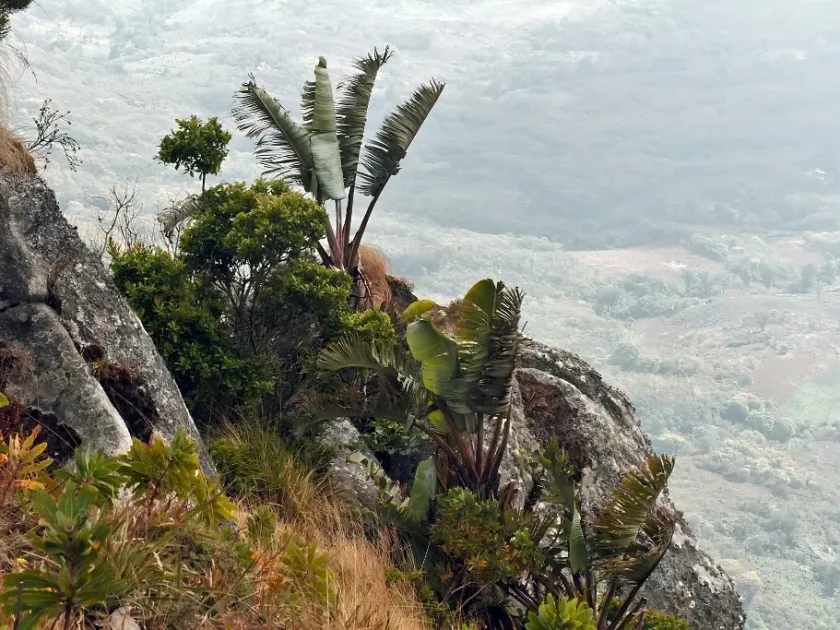
Description
Growing requirements
Strelitzia caudata, commonly known as the mountain strelitzia, belongs to the Strelitziaceae family. It is an impressive evergreen perennial recognized for its large size, often reaching significant heights with a distinctive tree-like habit in its natural environment.
The species is native to the mountainous regions of Southern Africa, including parts of South Africa and Eswatini. Due to its origin, the plant is quite hardy compared to other tropical species, yet it thrives best under specific environmental controls.
Cultivation requires a well-draining, nutrient-rich soil mix, ideally composed of loam, organic matter, and horticultural grit. Proper drainage is crucial to prevent root rot, as the root system is highly sensitive to waterlogging during dormant periods.
Temperature management is vital, with a preferred range between 18°C and 26°C. While the plant can tolerate cooler temperatures, it must be protected from frost and freezing conditions, making it suitable for greenhouses or conservatories in temperate climates.
Agrotechnical maintenance includes consistent watering during the growing season and periodic fertilization with balanced NPK formulas. Regular light exposure is essential to encourage the development of the iconic inflorescences, which resemble those of the crane flower.
Main diseases and pests
The primary pests affecting Strelitzia caudata in controlled environments are scale insects and spider mites. These pests thrive in dry indoor air, necessitating frequent monitoring and humidity control to prevent severe infestations.
Fungal pathogens such as root rot can occur if the substrate remains saturated for too long. To mitigate this risk, gardeners should implement a strict watering schedule and ensure that the container size matches the root mass to avoid excess moisture accumulation.