
Stemona sessilifolia
Stemona sessilifolia
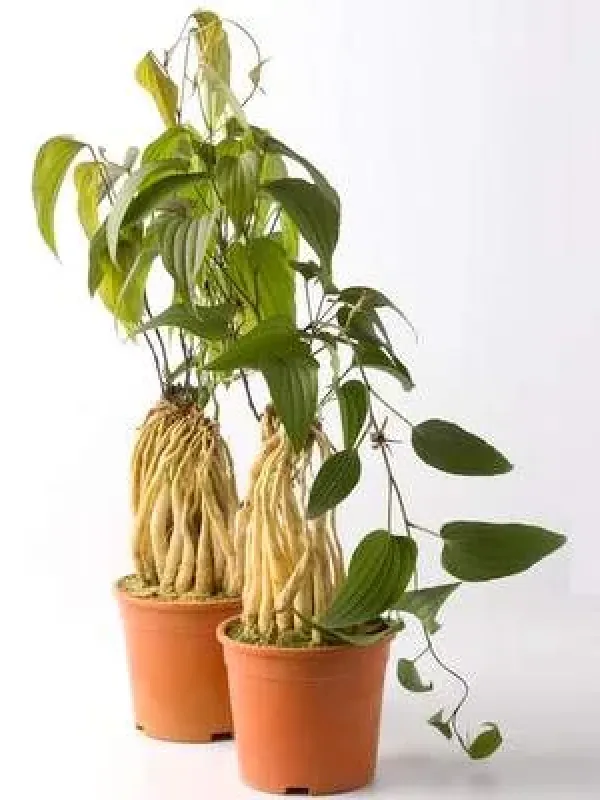
Description
Sowing dates
Stemona sessilifolia is a herbaceous perennial plant belonging to the Stemonaceae family. In agricultural practice, it is primarily cultivated for its tuberous roots, which are highly valued in traditional herbal medicine for their specific bioactive compounds.
The plant can be propagated through seeds or by dividing the rhizomes. Seed propagation is a lengthy process that requires a stratification period of several weeks at low temperatures to break seed dormancy and ensure uniform germination in the field.
For vegetative propagation, healthy tubers or rhizome segments are selected from mature plants. These segments are planted in well-prepared, loose soil during the early spring season to allow the root system to establish before the onset of high summer temperatures.
Spacing is a crucial factor for yield optimization. Planting rows should be approximately 40–50 centimeters apart, with individual plants set 30 centimeters within the rows to ensure sufficient room for root development and adequate airflow.
Initial establishment requires consistent moisture. Irrigation should be applied to prevent the soil from drying out completely, especially during the first few weeks following transplanting, while avoiding the waterlogging that is detrimental to this species.
Growing requirements
Stemona sessilifolia thrives in well-drained, fertile, sandy loam or loamy soils rich in organic matter. A soil pH between 6.0 and 7.0 is considered ideal for nutrient availability and healthy root formation.
The plant prefers a semi-shaded environment. In large-scale production, artificial shading systems or planting in naturally wooded areas with filtered sunlight is recommended to replicate the plant's native habitat and prevent leaf scorch.
Temperature management is essential for successful cultivation. The optimal growth range is between 18°C and 25°C. The species is relatively hardy but requires protection from severe frost, typically achieved through thick mulching before the onset of winter.
Regular fertilization with decomposed organic manure or balanced NPK fertilizers helps sustain vigorous growth. However, care should be taken to avoid excessive nitrogen, which promotes vegetative growth at the expense of root tuber development.
Maintenance tasks include regular weeding and inter-row cultivation. Keeping the soil surface loose aids in gas exchange and water penetration, which are vital for the expansion of the fleshy tuberous roots buried underground.
Main diseases and pests
Root rot is the most significant threat to Stemona sessilifolia. This disease, often caused by poor soil drainage and stagnant water, can rapidly destroy the tuberous roots, leading to substantial yield losses in commercial plantations.
Fungal leaf spot diseases may appear during periods of high humidity and poor air circulation. Symptoms include darkened, irregular lesions on the foliage, which can weaken the plant and indirectly affect root quality if not addressed promptly.
Pests such as root-knot nematodes can cause severe damage by invading the root system. Infested plants show stunted growth and reduced tuber size, making it necessary to implement crop rotation and soil sterilization techniques.
General insect pests like aphids or larvae may occasionally target the young shoots during the growing season. Integrated pest management (IPM) practices are recommended, focusing on biological controls and minimal chemical usage to ensure the purity of the medicinal product.
To minimize disease and pest incidence, strict sanitation measures should be followed, including the removal of infected plant debris and the use of healthy, pathogen-free planting stock for each new production cycle.
Harvesting
The harvesting of Stemona sessilifolia occurs when the aerial parts of the plant wither and yellow, signaling that the plant has entered dormancy and the concentration of active alkaloids in the roots is at its annual peak.
Manual or mechanized digging should be performed carefully to avoid slicing or bruising the fleshy tubers. Bruised roots are prone to rapid spoilage and microbial contamination, which negatively impacts the market value and shelf life.
Post-harvest processing involves thorough cleaning. The roots are washed to remove all soil particles. This must be done efficiently to prevent the roots from absorbing excessive water, which complicates the subsequent drying process.
Drying is the final and most critical stage. The tubers are typically sliced and placed in low-temperature dehydrators (below 50°C) to remove moisture until the water content reaches safe levels for long-term storage.
The dried product should be stored in a cool, dry, and dark environment within moisture-proof packaging. Proper storage conditions are necessary to maintain the integrity of the bioactive compounds until the raw material is processed for use.