
Maranta gibba
Maranta gibba
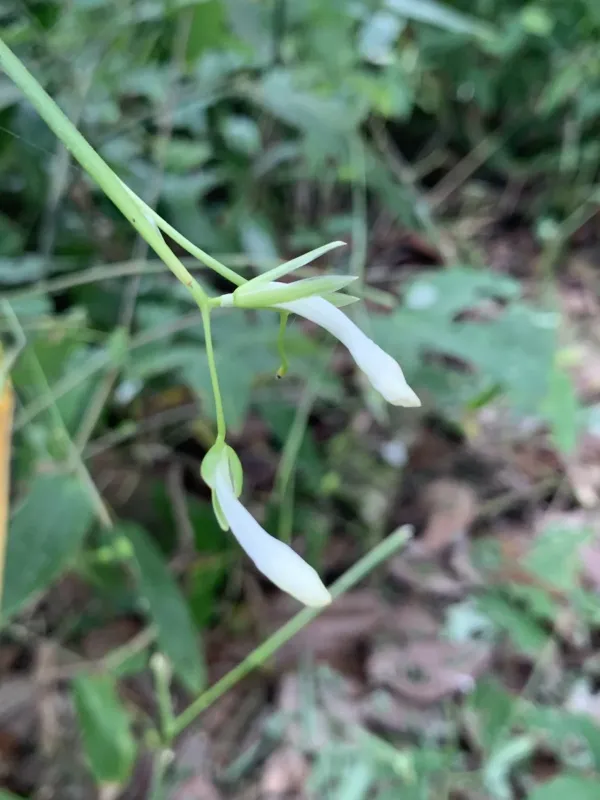
Description
Growing requirements
Maranta gibba is a tropical plant species belonging to the Marantaceae family. It is native to the rainforest ecosystems of Central and South America, where it thrives in shaded and humid environments.
The plant exhibits distinctive botanical features, including rhizomatous growth and leaves that display nyctinasty—a movement often referred to as praying plant behavior—responding to light and temperature changes.
Optimal growth conditions require temperatures ranging from 22°C to 28°C. It is intolerant of cold drafts and abrupt thermal fluctuations, which often lead to premature leaf abscission or growth stagnation.
Soil requirements focus on high organic matter content, excellent drainage, and slightly acidic pH levels. A typical growing medium for this culture is a peat-based mixture enriched with perlite for aeration.
Humidity management is the cornerstone of Maranta gibba cultivation. Maintaining relative humidity levels above 70% is essential for preventing leaf-tip browning and ensuring healthy foliage expansion.
Main diseases and pests
Disease management is centered on preventing root rot, which typically occurs due to over-irrigation. Ensuring that the substrate remains moist but not waterlogged is critical for plant health.
Spider mites are the most notorious pests affecting this species. They thrive in low-humidity environments, necessitating regular misting or the use of humidifiers to create a hostile environment for the arachnids.
Mealybugs and aphids can also impact plant vigor by colonizing the underside of leaves and stems. These insects extract sap, causing stunted growth and providing entry points for secondary viral or fungal infections.
Chemical control should be approached with caution, as Maranta gibba can exhibit sensitivity to harsh pesticides. Integrated pest management (IPM) using biological control agents is often preferred in controlled environments.
Maintaining proper hygiene by removing dead or decaying foliage prevents the buildup of pathogens. Adequate spacing between individual plants is also advised to ensure proper airflow and minimize humidity-induced fungal growth.