
Maranta cristata
Maranta cristata
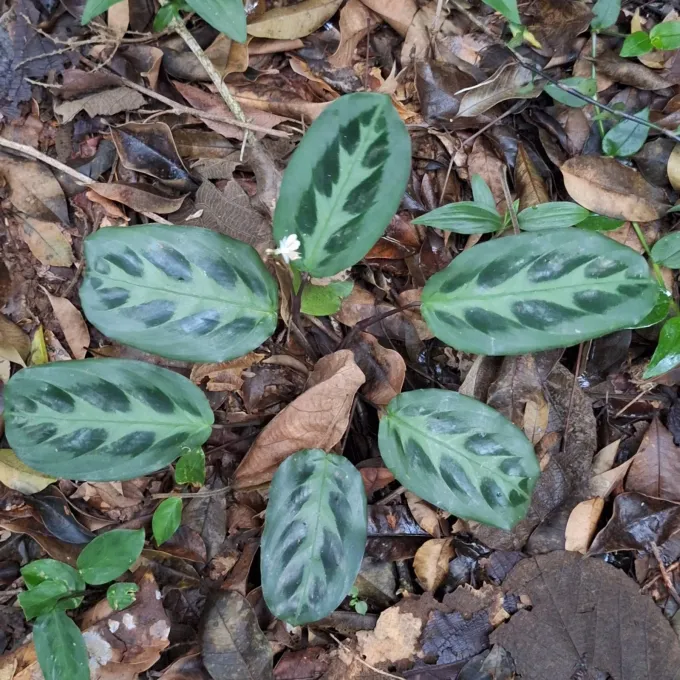
Description
Growing requirements
Maranta cristata belongs to the Marantaceae family and is recognized for its ornamental foliage. This perennial herbaceous plant originates from the tropical rainforests of South America, where it thrives in the understory layer, characterized by high humidity and filtered light conditions.
The botanical structure of the plant features ovate leaves with distinct variegation and pattern markings along the primary veins. The root system consists of shallow rhizomes that often develop tubers, functioning as storage organs to ensure plant survival during fluctuating environmental conditions.
Climate requirements necessitate maintaining a stable temperature range between 20°C and 25°C. Cold drafts and sudden temperature drops are detrimental to the plant's health, leading to leaf curling and tissue stress. Consistent warmth is essential for sustaining active metabolic processes.
Soil requirements focus on high aeration and slightly acidic pH levels. A well-draining potting medium containing peat, leaf mold, and perlite or coarse sand is recommended to facilitate healthy root development while preventing moisture retention that could lead to root decay.
Agronomic maintenance requires regular, consistent watering with tepid, soft water. Maintaining ambient humidity is critical; moisture levels below 60% can trigger tip burn and leaf drying. Regular misting or the use of pebble trays is recommended to ensure an optimal microclimate for the species.
Main diseases and pests
Root rot is the most prevalent disease, typically resulting from overwatering or inadequate soil drainage. Symptoms include wilting of the foliage and discoloration of the stem base, indicating the progressive decay of the root system and loss of nutrient transport capacity.
Spider mites are the primary pests affecting this culture, especially in low-humidity indoor environments. These pests reside on the underside of the leaves, causing characteristic stippling, fine webbing, and eventually lead to the yellowing and necrosis of the affected foliage.
Scale insects present a significant threat by extracting plant sap, resulting in stunted growth and the secretion of honeydew. This sugary residue often promotes the growth of sooty mold, which physically interferes with photosynthesis and decreases the overall aesthetic value of the plant.
Effective management strategies involve regular leaf inspection and keeping the foliage clean. Removing accumulated dust not only improves photosynthetic efficiency but also allows for the early detection of pest populations before they reach economic damage levels.
Integrated pest management includes the use of insecticidal soaps or systemic treatments when necessary. Ensuring that environmental conditions—specifically humidity and soil drainage—are managed correctly serves as the primary preventative measure against most common biotic stressors for this plant.