
Achimenes longiflora
Achimenes longiflora
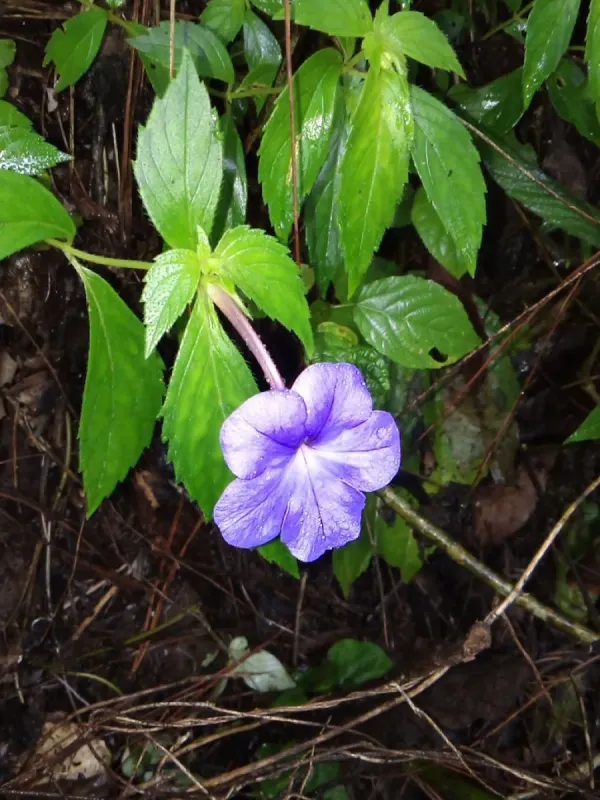
Description
Growing requirements
Achimenes longiflora is a perennial herbaceous plant belonging to the Gesneriaceae family. Originating from the tropical forests of Central and South America, it is widely valued for its long, funnel-shaped flowers and attractive foliage.
The botanical structure of the plant features specialized underground scaly rhizomes. These organs are crucial for the plant's life cycle, as they store nutrients during the dormant period and facilitate propagation during the active season.
In terms of environmental requirements, the plant thrives in bright, filtered light. Direct sunlight can cause leaf scorch, while deep shade often prevents successful blooming. A stable temperature range of 20°C to 25°C is ideal for vegetative growth.
The soil must be well-draining, loose, and slightly acidic. A mix of peat moss, perlite, and high-quality potting soil provides the aeration necessary for the rhizomes to develop without the risk of rotting from waterlogging.
Agronomic practices for Achimenes include consistent but moderate watering. During the active growth phase, weekly liquid fertilization with a phosphorus-rich formula is recommended to stimulate continuous and abundant flowering.
Main diseases and pests
Common pests affecting this species include spider mites, which flourish in low-humidity environments. Regular misting of the surrounding air or using a humidifier helps in managing these pests effectively.
Root rot, caused by excessive soil moisture, is the primary threat to the plant's health. Ensuring that the container has adequate drainage holes is a fundamental requirement to prevent fatal fungal infections in the root zone.
Thrips can also be a significant issue, attacking both leaves and developing flower buds. Prompt application of systemic insecticides upon the first sign of damage is necessary to prevent significant yield losses in decorative value.
Powdery mildew may occur when air circulation is poor, leading to white fungal patches on leaves. Improving ventilation and maintaining appropriate spacing between plants are effective preventative measures against this pathogen.
Finally, proper management of the dormancy period is vital. If rhizomes are stored in conditions that are too damp, they will rot; if kept too dry, they may dehydrate completely and fail to sprout in the spring.