
Centaurium tenuiflorum
Centaurium tenuiflorum (Hoffmanns. & Link) Fritsch
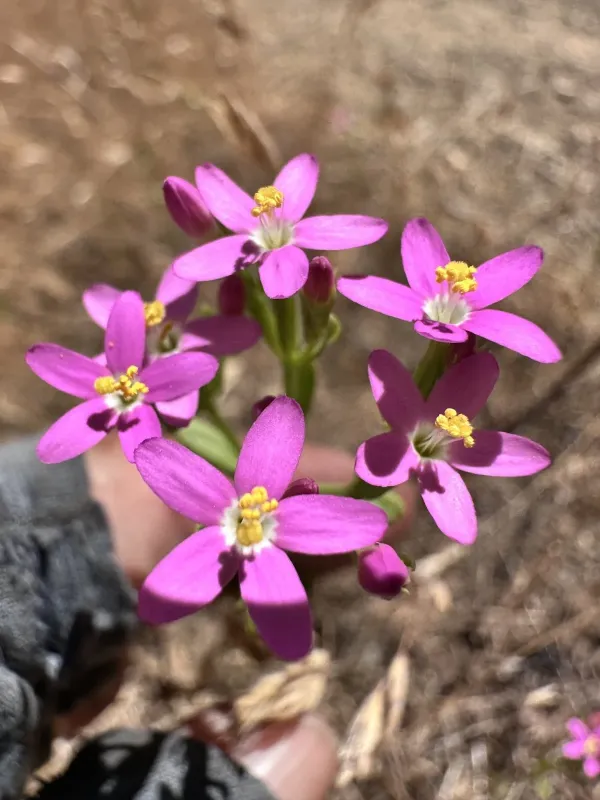
Description
Sowing dates
Centaurium tenuiflorum is generally cultivated as an annual or biennial crop depending on the local climatic conditions of the cultivation site.
Seeds are typically sown in early spring as soon as the soil has sufficiently warmed, ensuring optimal germination rates for this small-seeded species.
Surface sowing is recommended as the seeds require exposure to light for successful germination, meaning they should not be buried deep in the ground.
For better results, some growers utilize a nursery phase in controlled environments, transplanting seedlings once they reach a sturdy stage of development.
Care must be taken to space seedlings appropriately, as overcrowding can restrict growth and lead to poor air circulation around the developing plants.
Growing requirements
This plant belongs to the Gentianaceae family and is naturally found in Mediterranean habitats, often near coastal areas with saline or limestone soils.
Full sun exposure is a primary requirement for the plant, as it helps in the synthesis of the secondary metabolites that give the plant its medicinal value.
The ideal soil for cultivation is well-drained, porous, and neutral to slightly alkaline, as the plant is highly intolerant to waterlogging and compaction.
While the plant shows moderate drought tolerance once established, consistent moisture is necessary during the early stages of growth to ensure a healthy yield.
Soil nutrient levels should be managed carefully, avoiding excessive nitrogen fertilization that can prioritize foliage growth over the development of active compounds.
Main diseases and pests
The primary threats to the crop include fungal diseases such as powdery mildew and root rot, which are triggered by stagnant water and poor ventilation.
Pests like aphids and spider mites can damage the young foliage, necessitating vigilant monitoring during the active growth period to prevent infestations.
Prevention involves maintaining proper plant spacing and ensuring that the field is kept free of weeds that could harbor pathogens or compete for resources.
Because the plant is intended for medicinal use, the use of synthetic pesticides is strictly restricted to ensure the purity of the final harvested material.
Integrated pest management strategies are the preferred approach for maintaining healthy crops while preserving the environmental and product standards.
Harvesting
Harvesting is performed during the peak flowering stage, which is the window where the concentration of active pharmaceutical compounds is at its highest.
The aerial parts are harvested by cutting the stems, which are then air-dried in cool, shaded areas to maintain the chemical integrity of the plant.
Centaurium tenuiflorum is widely valued for its bitter glycosides, which act as digestive stimulants and are often used in herbal preparations and tonics.
Proper post-harvest handling includes protecting the dried material from direct light and moisture to prevent the degradation of its beneficial components.
Correctly dried and stored, the herb maintains its potency for a long duration, making it a reliable source of raw material for the herbal supplement industry.