
Common centaury
Centaurium erythraea Rafn
Description
Sowing dates
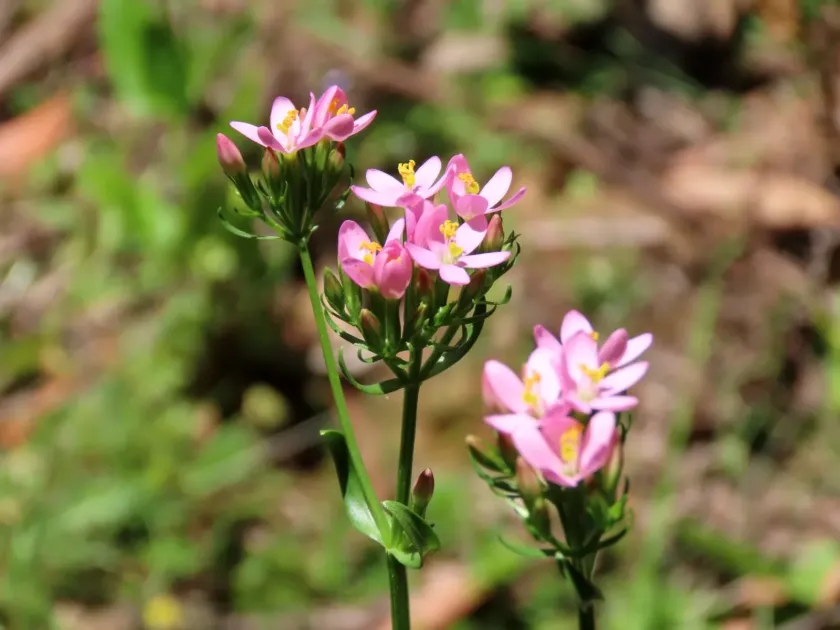
Common centaury (Centaurium erythraea Rafn) is a biennial herb belonging to the Gentianaceae family, widely recognized for its medicinal value.
The seeds are extremely small, necessitating a shallow sowing depth or surface sowing, as they require light to germinate effectively.
Sowing can be performed either in autumn or early spring, ensuring that the soil surface is finely prepared to accommodate the delicate seeds.
In field production, spacing should be carefully managed to allow for mechanized weeding while providing enough space for the initial leaf rosette growth.
Maintaining seedbed moisture without crusting is critical during the germination phase to ensure a uniform and healthy plant stand.
Growing requirements
This crop thrives in sunny locations with well-drained, fertile, and light-textured soils, avoiding waterlogged sites at all costs.
A neutral to slightly alkaline pH is preferred, as it optimizes the nutrient uptake necessary for the synthesis of complex secondary metabolites.
Regular maintenance involves mechanical inter-row cultivation to keep the area free from aggressive weeds that can quickly suppress young plants.
Balanced fertilization with phosphorus and potassium supports plant development, while nitrogen should be kept at moderate levels to preserve quality.
Adequate ventilation within the canopy is essential to maintain plant health and prevent the onset of common pathogenic issues.
Main diseases and pests
The crop is susceptible to various fungal pathogens, particularly root rot and powdery mildew, often promoted by poor soil aeration.
Pests such as aphids and leaf-eating beetles can cause significant foliage damage if not monitored and managed during the vegetative season.
Adhering to a strict crop rotation schedule helps reduce soil-borne disease pressure and prevents the buildup of target-specific pathogens.
Cultural control methods, such as removing debris and thinning dense stands, are the primary strategies for managing environmental stress.
Careful monitoring is required to detect early signs of infestation, allowing for timely intervention with appropriate protective measures.
Harvesting
Harvesting must occur at the peak of the flowering stage, which ensures the highest concentration of bitter glycosides and active constituents.
Plants are cut manually or mechanically, leaving the basal part of the stem intact to prevent root damage and promote plant health.
Post-harvest processing involves rapid transportation to drying facilities to preserve the natural green color and therapeutic properties.
Drying is performed in dark, well-ventilated conditions at temperatures not exceeding 45 degrees Celsius to avoid the loss of volatile compounds.
Once dry, the raw material should be stored in moisture-proof containers in a cool, dark place to maintain shelf-life and efficacy.