
Eucommia
Eucommia
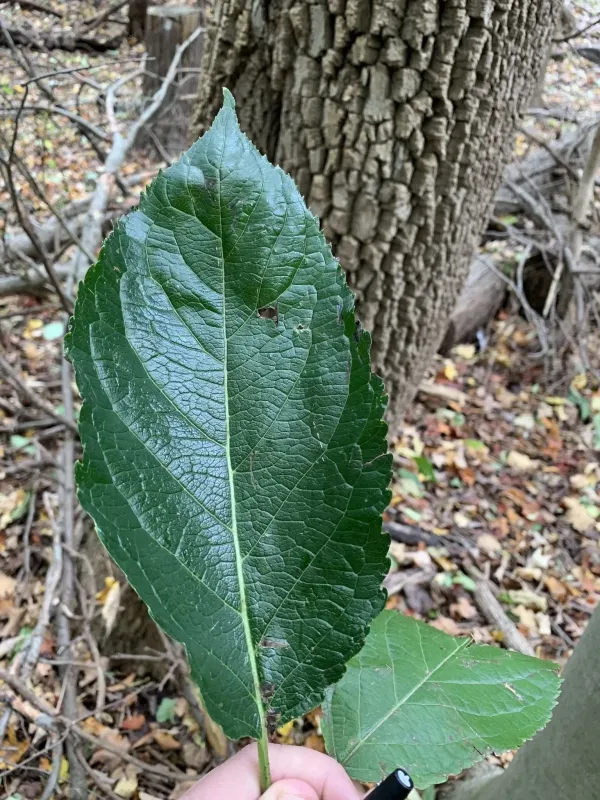
Description
Sowing dates
Eucommia propagation is primarily achieved through seeds or vegetative cuttings. Seeds require a mandatory stratification period in cool temperatures for two to three months to break dormancy and ensure high germination rates.
Sowing should take place in early spring once soil temperatures reach 8–10 degrees Celsius. Seeds are planted in nurseries at a depth of 2–3 centimeters, ensuring sufficient spacing for the development of a robust root system during the initial phase.
Cuttings are taken during the summer months and placed in specialized greenhouses with controlled humidity and temperature. This method ensures optimal rooting and high survival rates of young plants before they are transferred to fields.
For plantation establishment, 2–3-year-old saplings are preferred. Using containerized stock with intact root balls is highly recommended to reduce transplant shock and promote faster initial growth in the field.
Young plants require consistent irrigation and weed control during their first few years, as Eucommia exhibits a relatively slow growth rate during its juvenile stage, necessitating protection from competing vegetation.
Growing requirements
Eucommia is a deciduous tree, the sole representative of the Eucommiaceae family. Native to the mountainous regions of central and eastern China, it is well-adapted to temperate climates with distinct seasons.
The tree thrives in deep, fertile, and well-drained loamy soils. It has a low tolerance for waterlogged conditions, which can lead to root rot; therefore, selecting a site with proper drainage is critical for successful cultivation.
Eucommia is heliophilic and requires full sun exposure to thrive and maximize the synthesis of gutta-percha within its tissues. It should be protected from harsh, desiccating winds that can damage young shoots and disrupt sap flow.
While the tree is reasonably cold-hardy, it prefers regions without extreme winter frost, which can cause winterkill in young, unhardened wood. Adequate soil moisture must be maintained throughout the growing season.
Regular fertilization with balanced nutrients helps improve tree vigor and overall biomass production. Monitoring soil pH is also important, as the plant prefers slightly acidic to neutral soil conditions for optimal nutrient uptake.
Yield
The primary economic value of Eucommia lies in its production of gutta-percha, a natural rubber-like polymer found in the bark and leaves. Commercial production focuses on harvesting this valuable raw material sustainably.
Yields are highly dependent on plantation density, tree age, and management practices. Implementing sustainable pruning techniques allows for regular harvesting of leaves while maintaining the health and longevity of the plantation.
Besides the industrial rubber substitute, Eucommia leaves contain potent bioactive compounds, making them a high-demand commodity in the pharmaceutical and wellness industries for health supplements.
Optimizing the canopy structure through expert pruning and thinning can significantly increase the total biomass yield per hectare, making the investment into advanced cultivation techniques worthwhile.
At the end of a tree's productive cycle, the timber of Eucommia can be utilized in high-quality carpentry. Its wood has good structural properties, providing an additional revenue stream for plantation owners.
Main diseases and pests
Eucommia is generally resilient against many common tree diseases. However, improper management or poor site selection can predispose trees to fungal infections, particularly in the bark and root systems.
Fungal issues are often exacerbated by high humidity and poor air circulation within the plantation. Maintaining proper spacing and performing regular sanitary pruning are the best preventative measures against such outbreaks.
Leaf-eating insects can occasionally cause damage to foliage, potentially impacting the tree's photosynthetic capacity. Integrated pest management strategies are used to monitor and control insect populations naturally.
Root rot, driven by stagnant water, is a significant threat that necessitates proper drainage engineering. If roots are compromised, the tree's ability to absorb water and nutrients is severely impaired.
Physical damage to the bark must be avoided during maintenance, as wounds can serve as entry points for pathogens. Using clean, disinfected tools is essential for all pruning activities to preserve the health of the entire grove.
Harvesting
Harvesting follows strict protocols to ensure product quality and tree longevity. Leaves are gathered during the peak physiological maturity phase to ensure the maximum concentration of active health-promoting compounds.
Bark harvesting is conducted using sustainable, non-lethal methods that allow for tissue regeneration. This ensures a long-term supply chain and protects the capital investment of the plantation owner.
Post-harvest processing is critical for maintaining quality. Leaves are dried in controlled-temperature facilities to prevent fermentation and the degradation of sensitive bioactive components found in the raw material.
Bark is carefully cleaned, shredded, and dried in well-ventilated areas away from direct sunlight, which can alter the chemical properties of the gutta-percha polymer found within.
Final storage requires moisture-proof packaging to ensure the stability of the raw materials before they are sent to manufacturers for further industrial or pharmaceutical processing.