
Aeonium lancerottense
Aeonium lancerottense
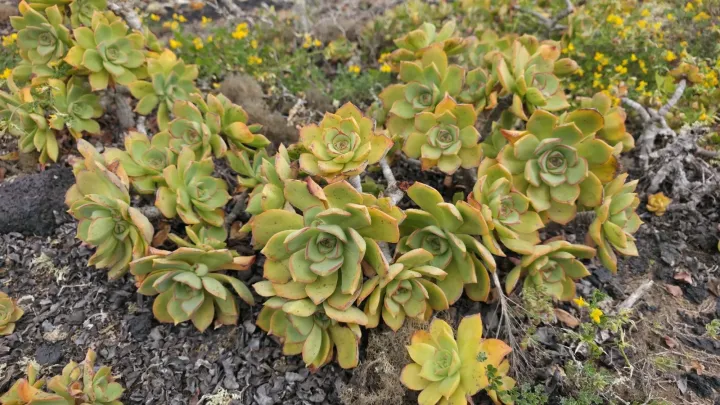
Description
Growing requirements
Aeonium lancerottense is a succulent species belonging to the Crassulaceae family. Native to the island of Lanzarote in the Canary Islands, it is highly adapted to arid and rocky environments where rainfall is scarce.
In cultivation, this plant requires a highly porous, gritty soil mix. Providing excellent drainage is mandatory, as this species is extremely sensitive to moisture retention, which can cause its root system to rot within days.
The plant thrives in full sun, which is essential to maintain the structural integrity and deep coloration of its rosettes. Without sufficient light, the plant will become etiolated, resulting in long, weak stems and sparse leaves.
Temperature requirements are moderate, with the plant preferring cool conditions during its dormant period. It is not frost-hardy and should be protected from temperatures below freezing to avoid permanent tissue damage.
Its primary agricultural and decorative use is in xeriscaping and as a container specimen. The plant's ability to store water in its thick leaves makes it an excellent choice for low-maintenance garden layouts in dry climates.
Main diseases and pests
The primary threats to Aeonium lancerottense involve fungal infections triggered by stagnant water and poor air circulation. Root rot and stem rot are the most common issues reported by growers.
Pests that frequently infest this succulent include mealybugs, which tend to congregate in the tight leaf axils, and root mealybugs that are often discovered only when the plant begins to show signs of decline.
Integrated pest management involves physical removal of visible pests using alcohol-soaked swabs and the application of horticultural soaps or specific systemic insecticides to prevent re-infestation.
Preventative care is the best strategy against disease; this includes ensuring the growing medium is completely dry before watering and keeping the foliage dry during humid months to prevent fungal growth.
Maintaining adequate spacing and good ventilation in growing areas significantly lowers the risk of infestations and disease outbreaks, keeping the plants healthy and robust throughout the seasons.