
Aeonium dodrantale
Aeonium dodrantale
Description
Growing requirements
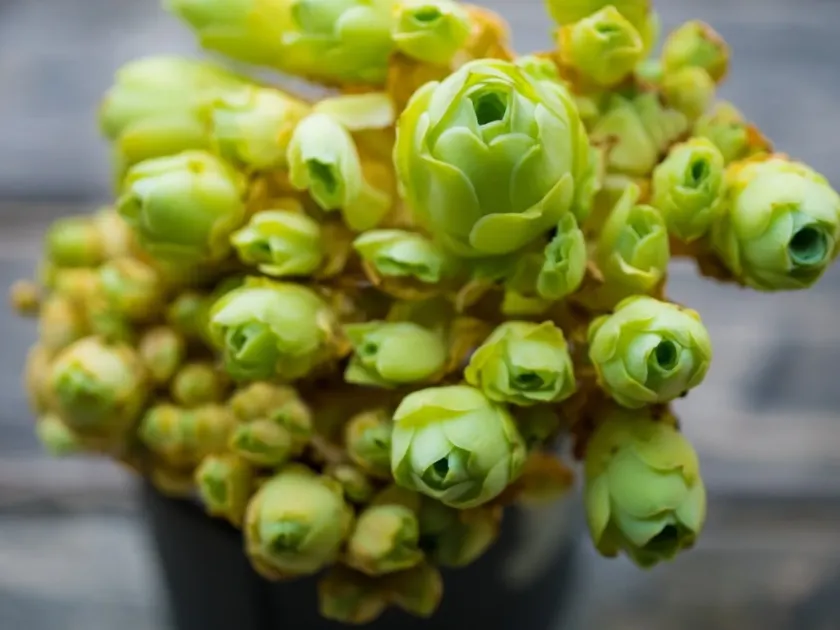
Aeonium dodrantale, botanically identified in some classifications as Greenovia dodrantalis, is a fascinating succulent belonging to the Crassulaceae family. It is widely recognized for its tight, rose-shaped rosettes.
Native to the Canary Islands, this species is adapted to rocky, well-drained environments. In agricultural and horticultural practices, it is treated as a highly ornamental specimen, often found in rock gardens or specialized collections of xerophytes.
The plant thrives in bright, filtered sunlight. Excessive exposure to harsh midday sun can scorch the leaves, while insufficient light leads to stem elongation, causing the plant to lose its characteristic compact, flower-like appearance.
Soil composition must be extremely porous to ensure optimal health. A mixture consisting of coarse pumice, perlite, and a small amount of inorganic potting soil creates the perfect balance for root aeration and prevents moisture-related issues.
Proper water management is critical for Aeonium dodrantale. The "soak and dry" method is highly recommended, ensuring the soil dries out completely between waterings, especially during the dormant season in summer or winter depending on local cultivation cycles.
Main diseases and pests
Root rot remains the most significant threat to this culture, primarily caused by waterlogged soil and poor air circulation. It is essential to ensure that the container has adequate drainage holes to prevent water accumulation at the base.
Mealybugs are the most common pests affecting this plant. They tend to lodge deep within the crevices of the dense leaf rosettes, making them difficult to detect. Regular inspection and systemic insecticide applications are effective measures for control.