
Aeonium cuneatum
Aeonium cuneatum
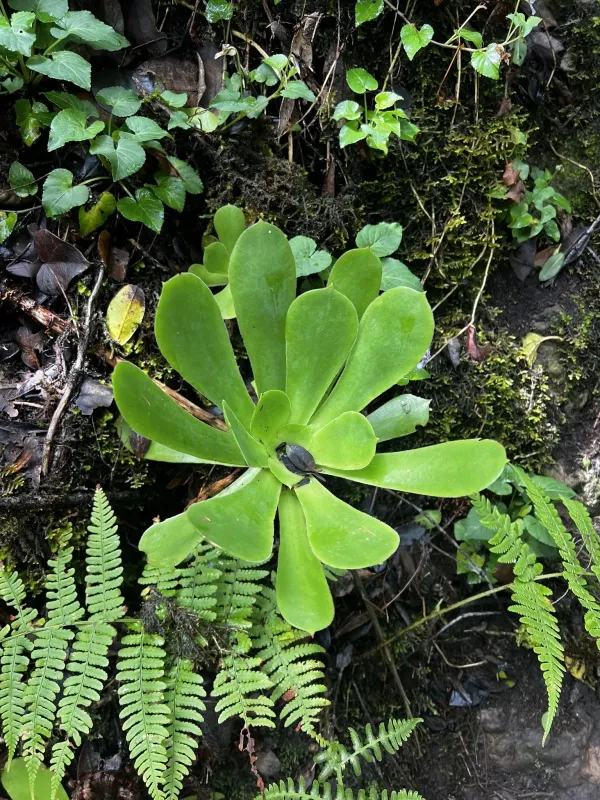
Description
Growing requirements
Aeonium cuneatum is a distinct succulent species belonging to the Crassulaceae family. It is renowned for its large, spoon-shaped leaves that form perfect, rosettes, which can reach a significant diameter compared to other members of the genus.
Native to the Canary Islands, this plant is adapted to rocky, well-draining habitats. In agricultural and horticultural practices, it is treated as a decorative ornamental crop suitable for arid and semi-arid greenhouse environments or as a houseplant in cooler climates.
The plant requires high light intensity to maintain its structural integrity and leaf coloration. If the light levels are insufficient, the rosettes will become loose and etiolated, significantly reducing the plant's aesthetic value and overall vigor.
Soil composition must prioritize drainage. A professional-grade succulent mix supplemented with pumice, grit, or lava rock is necessary. The container should always feature drainage holes, as the roots are highly sensitive to standing water and hypoxia.
Watering requirements follow the seasonal cycle. During the growing season, water thoroughly but only when the soil has dried out completely. In winter, the plant enters a semi-dormant state where watering should be kept to an absolute minimum to prevent rot.
Main diseases and pests
Fungal pathogens represent the most significant threat to Aeonium cuneatum. Root rot, caused by species like Pythium or Phytophthora, is often the result of improper irrigation practices or poor aeration in the growth medium.
Pests, particularly mealybugs (Pseudococcidae), are frequent invaders. They prefer the tight spaces between leaf bases where they feed on sap. Their presence is easily identified by the white, cotton-like secretions they produce on the foliage.
Spider mites are another major concern, especially in environments with low humidity. These microscopic pests puncture leaf tissues, causing stippling and eventual leaf drop. Prevention involves maintaining adequate airflow and humidity levels.
Systemic insecticides are generally effective for controlling infestations, but biological control methods or mild insecticidal soaps are preferred for indoor use. Always treat affected plants in a well-ventilated area and follow product labels strictly.
Integrated pest and disease management includes:
- Regular visual inspection of the underside of the leaf rosettes.
- Ensuring adequate spacing between plants to improve airflow.
- Removing dead lower leaves to eliminate hiding spots for pests.
- Using systemic fungicides only when rot symptoms are detected.
- Sterilizing pruning equipment before taking any cuttings for propagation.