
Aeonium ciliatum
Aeonium ciliatum
Description
Growing requirements
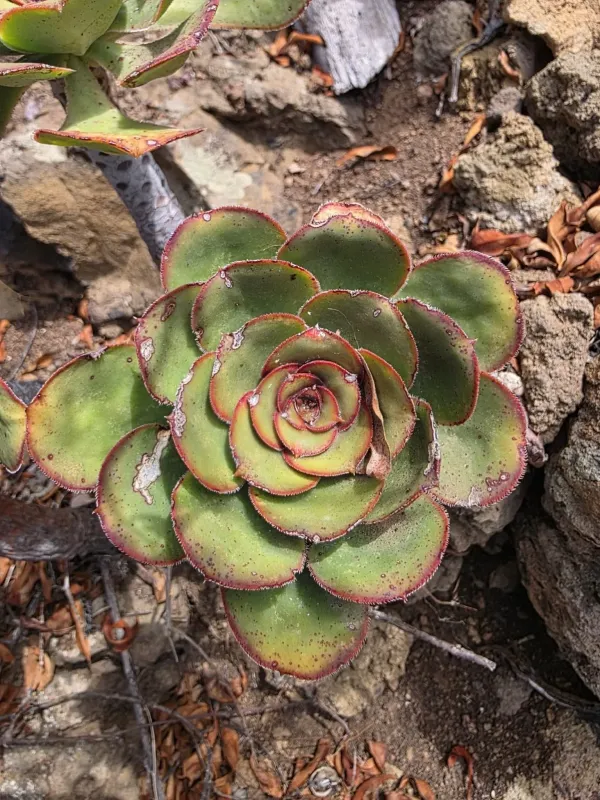
Aeonium ciliatum is a succulent plant belonging to the Crassulaceae family. Native to the Canary Islands, this species is well-known for its impressive rosettes of fleshy leaves, which feature fine hair-like cilia along their margins, giving the plant its distinct aesthetic appeal.
Cultivation requires bright, indirect light to maintain the rosette's compact form and vibrant color. In indoor environments, a south or east-facing windowsill is ideal. During the peak summer heat, providing light afternoon shade prevents leaf scorch and dehydration.
The substrate must be highly porous and fast-draining to prevent root rot, which is the most significant physiological risk for this crop. A mix of pumice, coarse sand, and potting soil in equal parts is highly recommended for optimal root health and stability.
Watering should be managed through the 'soak and dry' method. Allow the soil to dry out completely between waterings. Overwatering in winter, when the plant naturally slows its metabolic activity, is a frequent cause of failure in agricultural and hobbyist settings.
Propagation is primarily achieved via stem cuttings. After cutting, allow the specimen to callous over in a dry, shaded area for several days. This preparation phase is crucial to prevent pathogen entry through the open wound once the cutting is placed into the soil.
Main diseases and pests
The primary agricultural threat to Aeonium ciliatum is fungal rot caused by poor soil drainage and stagnant water. Symptoms manifest as darkened, mushy stem tissue, often starting from the base of the rosette and moving upwards into the foliage.
Mealybugs represent the most persistent insect pest for this species. These insects thrive in the tight junctions between leaves, sucking sap and secreting honeydew, which can lead to secondary fungal infections like sooty mold on the leaf surfaces.
Spider mites can become problematic in low-humidity environments. Their feeding activity causes small stippled lesions on the leaves, which eventually turn yellow or brown. Regular monitoring of leaf undersides is essential for early identification and effective control.
Treatment involves the use of systemic insecticides or horticultural soaps. It is vital to apply these treatments during the evening or morning hours to avoid chemical burn, especially if the plants have been exposed to higher light intensities during the day.
Cultural prevention remains the most effective management strategy. This includes maintaining proper spacing between plants to ensure good airflow, strictly regulating irrigation schedules, and promptly isolating any plant showing signs of infestation or decay.