
Aeonium canariense
Aeonium canariense
Description
Growing requirements
Aeonium canariense is a prominent succulent species belonging to the Crassulaceae family. Native to the Canary Islands, this plant has adapted to rocky environments, making it a specialized crop for those interested in xeriscaping and botanical cultivation.
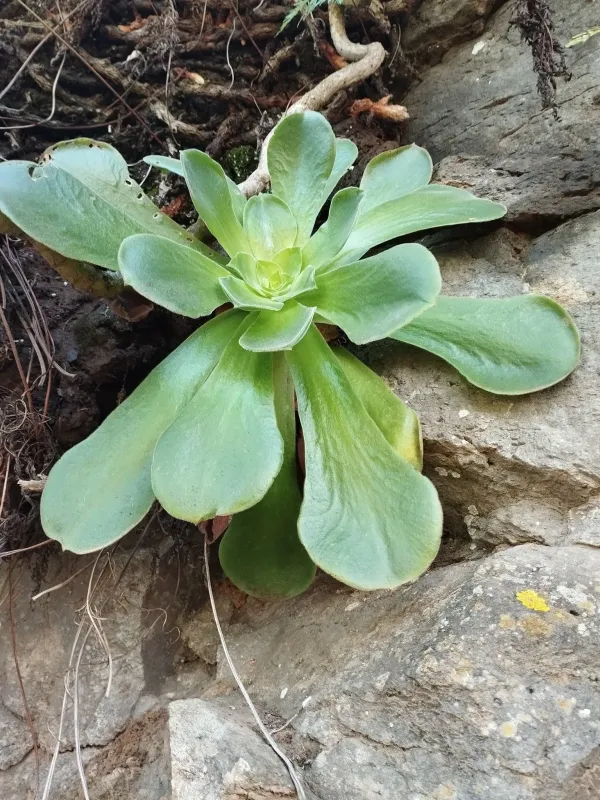
The morphology of the plant is characterized by a large, flat-topped rosette of fleshy leaves covered in fine glandular hairs. These botanical features serve as an adaptation to minimize water loss and maximize moisture retention in the dry climates of its natural habitat.
Successful cultivation requires a porous, well-draining soil mix that prevents water accumulation. Growers typically utilize a mixture of volcanic rock, coarse sand, and a small percentage of organic peat to maintain the structural integrity of the soil medium over time.
Environmental conditions must mimic arid, sunny locations. The plant thrives when exposed to bright indirect light or limited direct sunlight, provided that ventilation is adequate. During the active growing phase, temperature control between 18 and 25 degrees Celsius is essential.
Irrigation protocols are critical for this species. Water should be applied only when the substrate is entirely dry, ensuring the root system receives sufficient moisture without becoming waterlogged. During winter dormancy, irrigation frequency should be drastically reduced.
Main diseases and pests
The primary agronomic threats include root rot due to overwatering and fungal leaf infections. Pests such as mealybugs and aphids are common under low-airflow conditions and require swift mechanical removal or the application of specialized systemic pesticides to maintain plant health.