
Golden Aeonium
Aeonium aureum
Description
Growing requirements
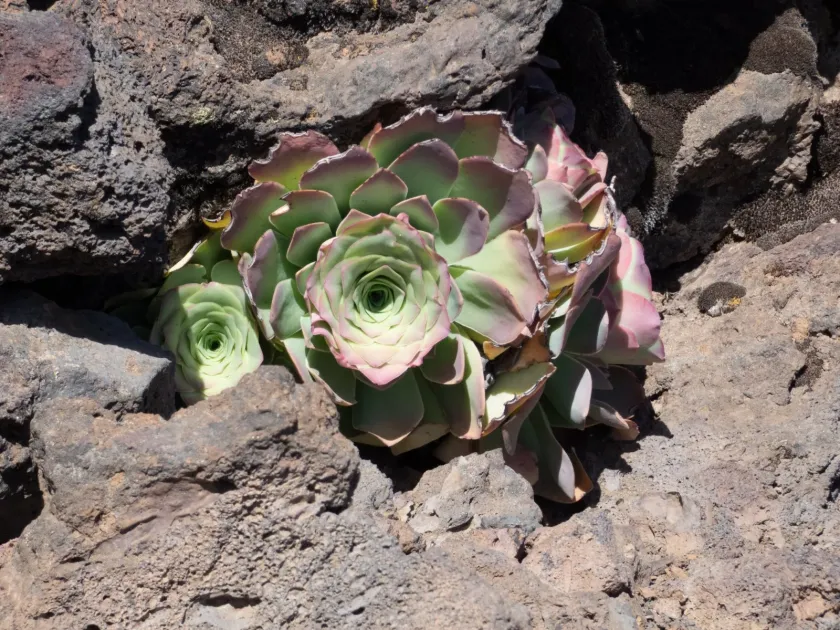
The Golden Aeonium (Aeonium aureum) is a succulent species belonging to the Crassulaceae family. Native to the Canary Islands, this plant is well-adapted to rocky, arid environments, forming elegant rosettes that serve as a staple for succulent enthusiasts worldwide.
Botanically, the plant is characterized by its fleshy, spoon-shaped leaves arranged in tight, aesthetic rosettes. During the flowering stage, it produces yellow inflorescences that stand out against the soft, light-green to golden foliage of the plant.
For successful cultivation, excellent drainage is non-negotiable. Using a porous, inorganic-heavy substrate ensures that water does not linger around the roots, preventing common physiological stresses that affect rosette succulents in cultivation.
Regarding light, this species thrives in bright, indirect sunlight. While it can handle some direct morning sun, intense afternoon exposure during summer months requires some shading to prevent leaf scorch and maintain the vibrant color of the foliage.
Watering practices should mimic the Mediterranean cycle of its native habitat. During the active growing season, allow the soil to dry out completely between waterings. In the winter dormancy period, reduce water even further to simulate natural dry conditions.
Main diseases and pests
The most significant threat to Aeonium aureum is overwatering, which quickly leads to crown rot and root decay. This fungus-driven pathology is often fatal if not treated immediately by adjusting moisture levels and improving substrate ventilation.
Mealybugs are the most common insect pests encountered when growing this succulent indoors. These insects hide deep within the crevices of the leaf rosettes, making them difficult to spot until a significant infestation has occurred.
Spider mites may also affect the plant in low-humidity environments. Their presence is usually signaled by fine webbing and yellowing patches on the leaves, which can reduce the ornamental value of the succulent if left untreated.
Proactive monitoring is the best defense against pests and diseases. Inspecting the undersides of leaves and the core of the rosettes periodically helps catch infestations early, allowing for the use of gentle treatments like insecticidal soaps.
When dealing with rot, always remove infected parts with a sterilized blade. Ensuring proper airflow and adequate spacing between plants will significantly reduce the likelihood of fungal outbreaks and ensure a healthy, thriving culture.