
Floscopa glomerata
Floscopa glomerata
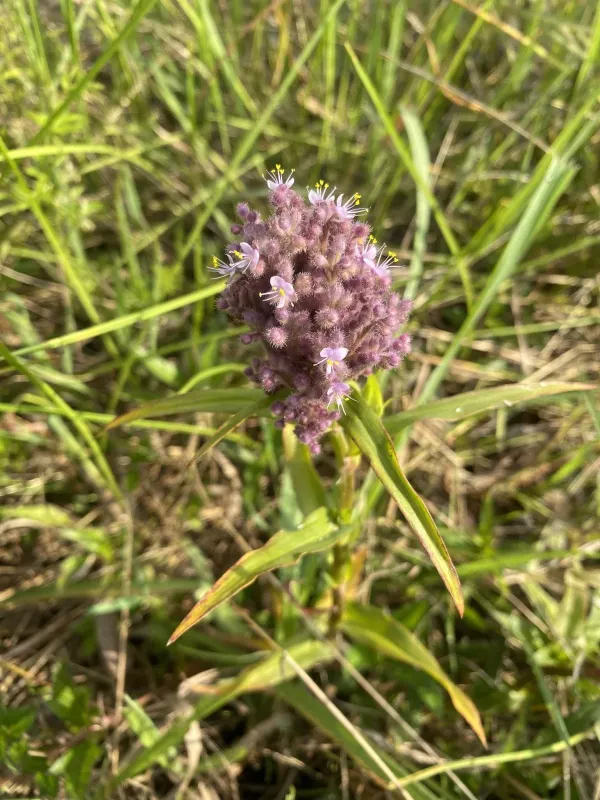
Description
Sowing dates
Floscopa glomerata is a perennial herbaceous plant belonging to the Commelinaceae family. In its natural habitat, this plant reproduces primarily through vegetative propagation or seeds that mature at the end of the growing season.
For agricultural cultivation, the optimal sowing or planting time is when soil temperatures consistently reach 18–20 degrees Celsius. Spring is the most favorable season for establishment, as it ensures young shoots are protected from late frosts.
The plant exhibits a remarkable ability to root rapidly from stem nodes upon contact with moist substrate. When using seeds, shallow sowing into nutrient-rich organic soil or media is recommended to ensure consistent moisture levels.
Recommended planting density is between 10 to 15 plants per square meter to facilitate sufficient spacing and nutrient access. Stem cuttings are often preferred to accelerate the production of biomass, as rooting usually occurs within 10–14 days.
The crop shows vigorous growth under long-day conditions and high humidity. Steady nutrient availability in the soil is crucial to encourage rapid canopy closure, which effectively suppresses weed growth and reduces labor requirements.
Growing requirements
Floscopa glomerata is a hygrophilous species naturally occurring along riverbanks, lakes, and in wetlands. It requires constant soil moisture and can tolerate prolonged waterlogging of its root system without significant negative impact.
The plant prefers sunny or partially shaded locations, as extreme midday heat can lead to desiccation of the leaf surfaces. Optimal development occurs at temperatures ranging between 22 and 28 degrees Celsius.
Soils for optimal growth should be rich in humus, with a slightly acidic to neutral pH. Silt or clay-based substrates are ideal because they retain the water necessary for the plant's active metabolism and structural integrity.
Nutritional requirements include a higher proportion of nitrogenous fertilizers to stimulate green biomass production. It is critical to prevent the substrate from drying out, as water stress immediately impacts stem turgor and branching rate.
In greenhouse settings, maintaining high relative humidity (above 70%) is essential. Regular irrigation or the use of misting systems significantly improves the plant's visual quality and overall biological productivity.
Yield
The economic value of Floscopa glomerata lies in its capacity to produce a substantial volume of vegetative biomass in a relatively short period. Under ideal conditions, yield can reach several tens of tons per hectare per growing season.
Maximum productivity is achieved by ensuring optimal nitrogen levels and water availability throughout the growth cycle. Regular harvesting encourages branching, allowing for multiple cuts to be performed during a single season.
Harvest quality is measured by the juiciness of the stems and the nutrient concentration in the leaves. When grown for forage or raw material, biomass should be harvested prior to the onset of the mass flowering phase to maintain quality.
In industrial contexts, productivity is assessed by the output of fresh biomass suitable for extraction or processing. Intensive management allows for stable yields over several years when maintained properly on the same plot.
Yield metrics vary based on substrate fertility and the frequency of fertilization. Professional growers observe that the crop responds effectively to organic amendments that improve soil structure and water-holding capacity.
Main diseases and pests
Floscopa glomerata possesses a strong innate immune system; however, poor ventilation and high humidity can lead to fungal infections. Root rot and powdery mildew are the most common issues in poorly managed environments.
Pests such as aphids and spider mites can infest the crop, particularly when air humidity drops. Regular scouting is recommended to identify early signs of infestation and implement control measures before populations explode.
If fungal disease occurs, affected parts of the plant should be removed immediately, followed by treatment with systemic fungicides. Biological control agents, such as beneficial bacteria, help strengthen the plant's natural defense systems.
Crop rotation and ensuring adequate air circulation between stems are primary preventive measures against disease. Monitoring soil moisture levels helps prevent the conditions that favor the development of pathogenic microflora.
Pests rarely cause significant crop failure with proper agronomic practices, though mass outbreaks may require the use of low-toxicity insecticides. Maintaining optimal physiological health is the key to minimizing vulnerability.
Harvesting
Harvesting is performed manually or mechanically depending on the scale of the operation. To ensure maximum freshness and stem succulence, harvest should occur in the early morning hours when the plant has peak turgor.
When harvesting biomass, it is vital to leave the lower stem segments with nodes to allow for rapid regeneration. A cutting height of 5–10 centimeters from the soil surface is recommended to preserve the plant's productive potential.
Collected biomass must be stored in cool, shaded environments to prevent rapid wilting. For short-term transport, maintaining a high-humidity environment is necessary to preserve the quality of the harvested product.
Processing of the biomass should occur immediately after harvest to prevent fermentation and loss of biochemical value. Depending on the end-use, appropriate drying or extraction methods should be applied promptly.
The optimal harvest window aligns with the peak of vegetative development, prior to the lignification of the lower stem. This approach ensures the highest quality output and efficient use of agricultural land.