
Pseudalcantarea macropetala
Pseudalcantarea macropetala
Description
Growing requirements
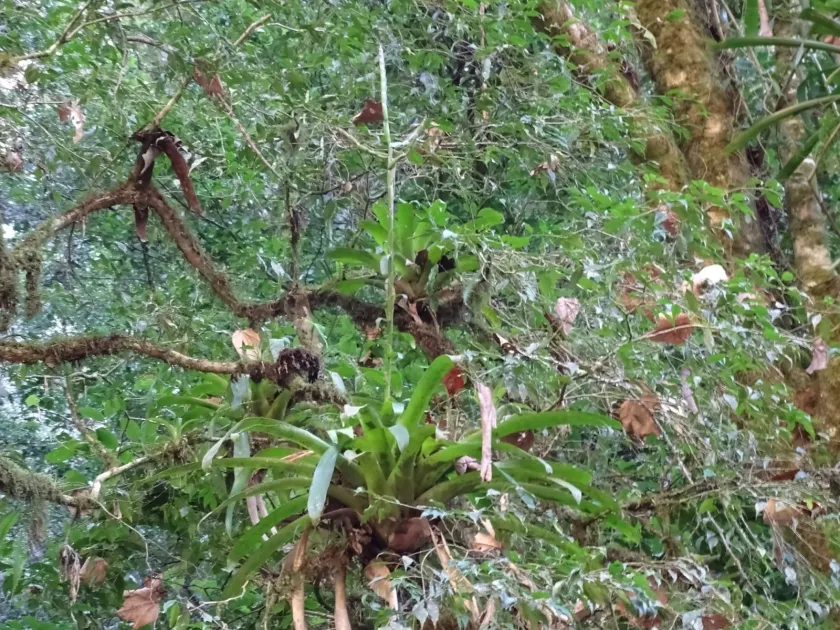
Pseudalcantarea macropetala is a fascinating member of the Bromeliaceae family, native to the tropical forests of Mexico. As an epiphyte, this plant displays unique evolutionary traits, such as growing on tree branches or rocky outcrops, with roots adapted primarily for anchorage rather than nutrient uptake from soil.
For successful cultivation, mimicking its native habitat is essential. This includes providing bright, indirect sunlight, which supports healthy leaf coloration and promotes regular flowering. Exposure to intense midday sun should be avoided to prevent leaf scorch and desiccation.
The plant thrives in temperatures between 20°C and 25°C. It is sensitive to cold drafts and should be kept away from air conditioning vents or areas where temperatures drop below 15°C, as this can severely affect the plant's metabolism and growth cycle.
A specialized potting mix is vital for this species. It should be composed of coarse pine bark, perlite, charcoal, and a small amount of sphagnum moss. This blend ensures excellent drainage and allows air circulation around the root system, which is critical to preventing anaerobic conditions.
Watering requires specific attention; always direct water into the central leaf rosette. Using distilled or rainwater is preferred to prevent mineral buildup. Ensure the rosette is flushed periodically to avoid the accumulation of stagnant water and associated bacterial issues.
Main diseases and pests
The most significant threat to Pseudalcantarea macropetala is rot caused by poor ventilation and water accumulation at the base of the plant. If the substrate remains saturated for too long, the root system can quickly succumb to fungal pathogens, leading to permanent decline.
Pests such as mealybugs and spider mites are common adversaries. These insects are particularly attracted to the hidden crevices at the base of the leaves, where they feed on sap, weakening the plant and potentially transmitting secondary viral infections.
Effective pest control involves regular inspections and the use of insecticidal soaps or neem oil in very diluted concentrations. Always test any treatment on a small portion of a leaf before applying it to the entire plant to ensure tolerance.
Maintaining high hygiene standards in the growing area is the best defense against disease. Regularly removing dead or decaying organic matter from the rosette helps keep the plant's environment clean and unattractive to unwanted pests.
Monitoring the plant for signs of stress, such as yellowing leaves or discolored leaf tips, allows for early intervention. Proper balance in lighting, water, and airflow creates a resilient plant capable of resisting common indoor horticultural pests and diseases.