
Fernseea itatiaiae
Fernseea itatiaiae
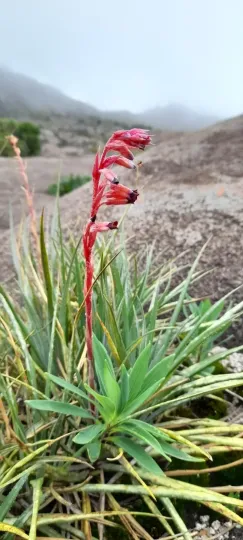
Description
Growing requirements
Fernseea itatiaiae is a small-sized perennial herbaceous plant belonging to the Bromeliaceae family. It is a highly specialized endemic species native to the high-altitude rocky landscapes of the Itatiaia National Park in Brazil.
The plant exhibits a rosette growth habit with stiff, narrow leaves coated in trichomes, which are essential for absorbing moisture and nutrients directly from the air and mountain mists. This physiological adaptation allows it to thrive in nutrient-poor rocky crevices.
Cultivation of this species requires a porous, well-draining substrate typically used for epiphytic plants. A mix of bark, perlite, and coarse peat is ideal for maintaining the necessary airflow around the root system while retaining minimal essential moisture.
Environmental conditions must mimic high-mountain climates, favoring moderate temperatures and bright, indirect light. Excessive heat or direct sunlight can cause leaf dehydration and damage, so placing the plant in a filtered light area is highly recommended.
The watering strategy involves filling the central rosette with filtered water, ensuring it is refreshed periodically to prevent bacterial growth. Maintaining adequate humidity levels is crucial, often requiring the use of humidifiers or regular misting in non-native climates.
Main diseases and pests
Primary threats to this culture include fungal infections often caused by poor drainage or stagnant water at the base of the plant. Ensuring the substrate does not stay waterlogged is the most effective preventative measure against root decay.
Insect pests, specifically mealybugs and spider mites, are known to colonize the dense leaf rosettes. Frequent inspection of the inner leaves and maintaining good air circulation are key strategies to prevent infestations and maintain plant health.