
Fernseea bocainensis
Fernseea bocainensis
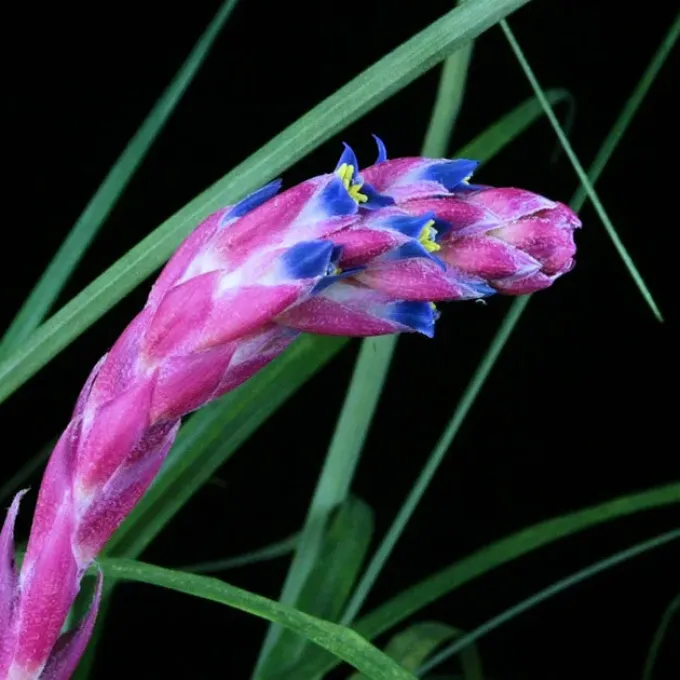
Description
Growing requirements
Fernseea bocainensis is a distinct species within the Bromeliaceae family, native to the high-altitude regions of the Serra da Bocaina in Brazil. This plant is characterized by its rosette growth habit, typical of many neotropical epiphytes and terrestrial bromeliads.
The cultivation of this species requires a substrate that mimics its natural habitat: acidic, well-draining, and rich in organic matter. A mixture of orchid bark, perlite, and peat moss is highly recommended to ensure optimal aeration for the root system.
Environmental requirements include a stable temperature range between 18°C and 25°C. Like many high-altitude species, it appreciates a slight temperature drop at night, which helps to maintain the plant's metabolic health and physiological vigor.
Regarding light, the plant thrives in bright, filtered light conditions. Excessive direct sunlight can lead to leaf scorching, while insufficient light levels will hinder the plant's ability to produce its characteristic floral structures.
Humidity management is vital for this species. Providing adequate airflow combined with high ambient humidity prevents the center of the rosette from becoming stagnant, which is a common problem in captive cultivation environments.
Main diseases and pests
Fungal pathogens represent the primary biological threat to this species. Overwatering, especially during cooler periods, leads to crown and root rot, which are often fatal to the plant if not addressed immediately through substrate replacement.
Pest pressure is mainly from sap-sucking insects such as mealybugs and scale insects. These pests often seek shelter deep within the leaf axils, making physical monitoring and control essential for plant health maintenance.
Spider mites are another significant concern, particularly in indoor settings with low ventilation. Infestations are characterized by fine webbing and yellow stippling on the leaves, which significantly reduces the plant's photosynthetic capacity.
Integrated pest management strategies should prioritize mechanical removal and the use of insecticidal soaps. Heavy reliance on synthetic chemicals should be avoided unless the infestation reaches critical levels that threaten the plant's survival.
Preventative measures, such as maintaining optimal hygiene and ensuring proper air circulation, are the most effective ways to manage threats. Regular inspections allow for early detection of issues before they spread throughout the collection.