
Sensitive fern
Onoclea sensibilis
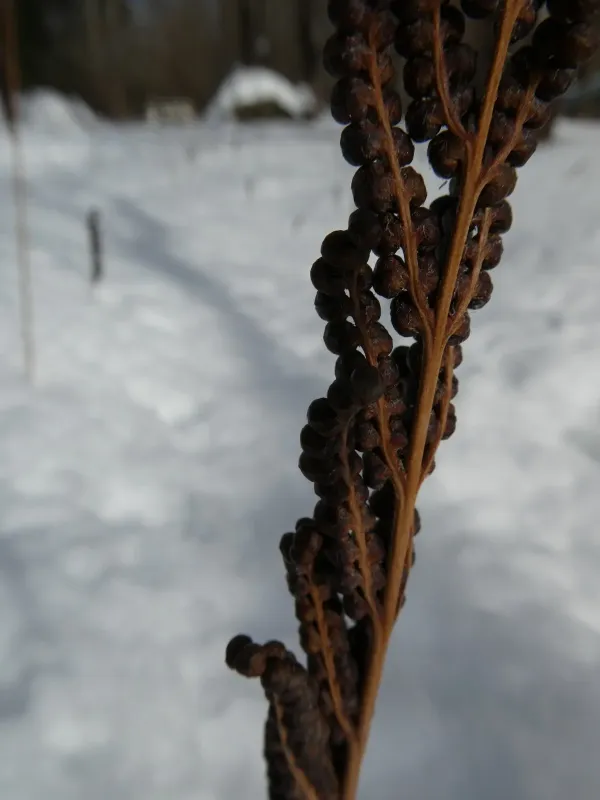
Description
Growing requirements
The sensitive fern, scientifically known as Onoclea sensibilis, is a rhizomatous perennial fern in the family Onocleaceae. It is characterized by its distinctively lobed, light-green fronds and its ability to spread rapidly via a creeping root system.
Native to eastern North America and East Asia, this plant is commonly found in wetlands, swampy forests, and along the edges of streams. Its common name refers to its sensitivity to frost, as the fronds turn brown quickly after the first cold snap.
Cultivation requires consistently moist to wet, acidic, and humus-rich soil. It is an excellent choice for areas with poor drainage or naturally boggy conditions where many other garden plants would fail.
The plant thrives in partial to full shade. While it can tolerate more sun if the soil remains constantly soaked, excessive light in drier conditions will typically lead to leaf scorch and general decline.
Landscape use is primarily aesthetic. It is highly valued as a groundcover in woodland gardens, rain gardens, and naturalized settings where a lush, ferny texture is desired to soften hardscape edges.
Main diseases and pests
Sensitive fern is generally a robust plant with few serious disease issues. However, if the environment is too humid without proper air circulation, various foliar fungal diseases may develop, resulting in unsightly spotting.
Root rot is the most common threat when the plant is grown in overly stagnant water for extended periods during the dormant season. Ensuring that the soil is rich in organic matter but not entirely anaerobic is key.
Pests such as slugs and snails are the most frequent visitors, particularly feeding on the succulent, unfurling fronds in the spring. Hand-picking or organic baits are often sufficient to manage these infestations.
Aphids may occasionally cluster on the underside of the leaves during periods of stress, such as intense heat waves. A gentle spray of water is often enough to remove these minor pests from the foliage.
Good garden hygiene, including the removal of dead foliage at the end of the season, helps reduce the overwintering of pathogens. Following these basic maintenance steps ensures the long-term health of the fern colony.