
Oriental ostrich fern
Onoclea orientalis
Description
Growing requirements
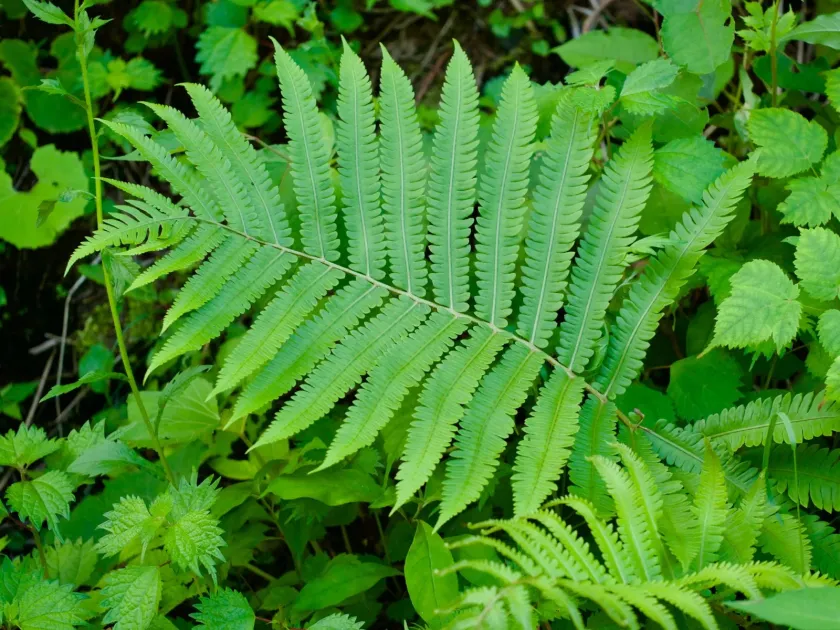
The Oriental ostrich fern (Onoclea orientalis) is a perennial fern species within the Onocleaceae family. Native to East Asia, including Japan and China, this plant is well-known for its elegant, arching fronds and vigorous rhizomatous growth habit, making it an excellent candidate for woodland gardens.
The botanical structure of this fern features deeply divided, leathery fronds that arise from a creeping rhizome. These fronds provide a unique textural element in the landscape, creating dense, emerald-green colonies that persist throughout the growing season.
Cultivation of Onoclea orientalis requires a shaded or semi-shaded environment. The plant performs best in protected areas where it is shielded from harsh, direct sunlight, which can cause leaf scorch and general decline in plant vitality.
The soil requirements are specific: the plant thrives in rich, moisture-retentive, and well-draining soil. Incorporating organic matter such as leaf mold or compost is highly recommended to mimic the nutrient-dense forest floor habitat that the fern naturally prefers.
Consistent moisture is the key to successful maintenance. The soil should never be allowed to dry out completely, as this fern is not drought-tolerant. Regular watering, especially during the peak of summer, is essential to keep the fronds lush and healthy.
Main diseases and pests
The most common pests affecting Onoclea orientalis are slugs and snails, which feed on the tender emerging fronds in early spring. Installing barriers or using organic baits can effectively minimize damage to the foliage during the sensitive growth period.
Fungal issues, such as leaf spot or root rot, may occur if the planting site lacks adequate drainage or if the foliage remains wet for prolonged periods without air circulation. Ensuring proper spacing between plants helps maintain airflow and reduces humidity-related diseases.
In dry conditions, the plant may become susceptible to infestations of spider mites, which can cause the fronds to lose their luster and yellow. Monitoring the underside of the leaves during hot weather is important for early detection and mitigation.
Root rot is a major threat if the plant is situated in heavy, waterlogged soil. If the drainage is insufficient, the rhizomes may decay, leading to the collapse of the plant. A well-prepared substrate with added grit or sand can prevent such moisture-related complications.
To keep the fern healthy, remove dead or damaged fronds only after the plant enters dormancy. This practice helps to improve the overall aesthetics and prevents the buildup of pathogens that could overwinter in the decaying organic matter.