
Limestone fern
Gymnocarpium robertianum
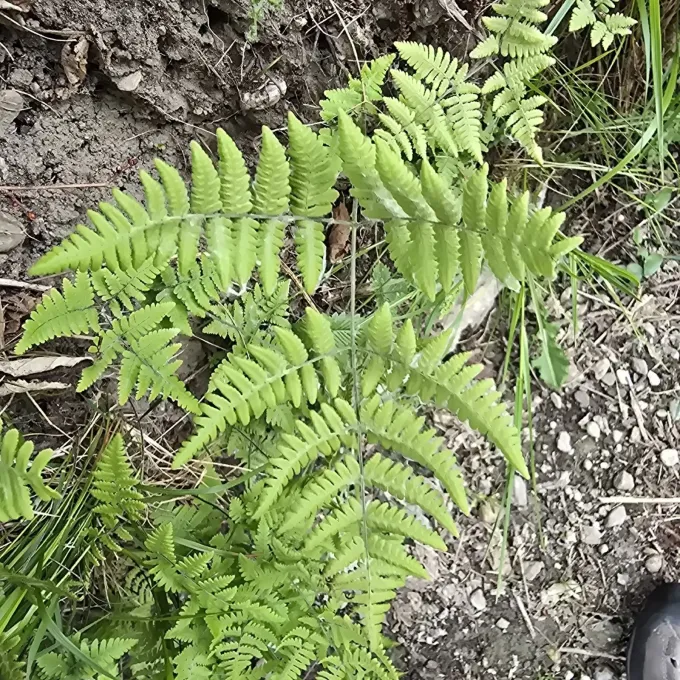
Description
Growing requirements
Gymnocarpium robertianum, commonly known as the limestone fern, belongs to the Cystopteridaceae family. It is a perennial herbaceous plant naturally adapted to rocky crevices, limestone screes, and woodland habitats throughout the Northern Hemisphere.
The plant features long, creeping rhizomes that allow it to spread effectively across suitable substrates. Its fronds are triangular and glandular, possessing a distinctive texture that sets it apart from many other shade-loving ferns frequently found in horticultural use.
Successful cultivation requires a well-drained, alkaline to neutral soil medium. Given its natural affinity for limestone, incorporating crushed rock or grit into the planting area is essential to ensure longevity and healthy growth of the rhizome system.
The species thrives in cool, shaded, or partially shaded environments. It is highly sensitive to excessive heat and direct sun exposure, which requires careful placement in the garden, ideally in areas that mimic the cool microclimate of rocky outcrops.
In terms of хозяйственного (ornamental) usage, it is highly valued for rock gardens, fern collections, and shady embankments. Its ability to colonize difficult, stony areas makes it a robust choice for landscape architects designing low-maintenance naturalistic gardens.
Main diseases and pests
The primary threats to Gymnocarpium robertianum involve fungal pathogens triggered by poor drainage. Excess water around the rhizomes can lead to rapid rot, which is often irreversible if the plant has not been established in a correct soil mixture.
Common pests include slugs and snails, which can significantly damage the fronds during periods of high humidity. Maintaining proper drainage and reducing excess moisture on the foliage surface are effective strategies for preventing both fungal issues and pest infestations.