
Gymnocarpium
Gymnocarpium
Description
Growing requirements
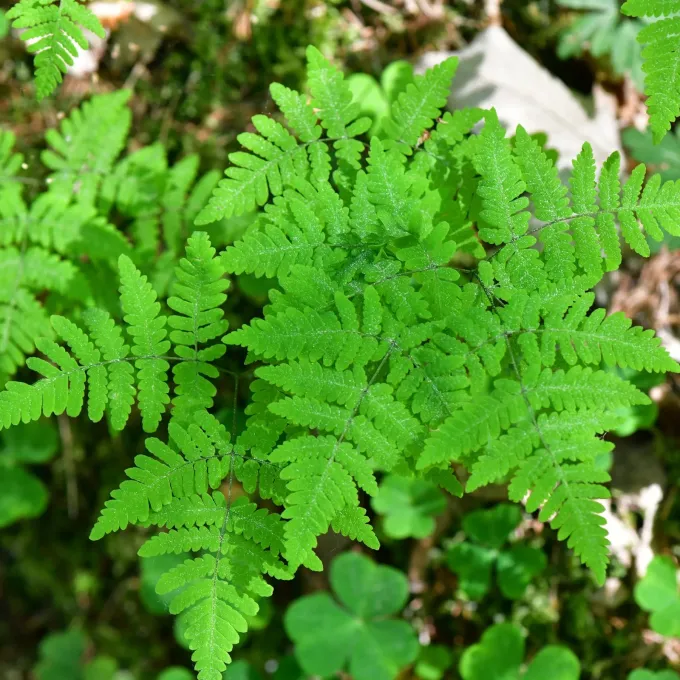
Gymnocarpium is a genus of perennial ferns belonging to the Cystopteridaceae family. These plants are typically found in cool, moist, and shaded woodland habitats across the Northern Hemisphere, known for their delicate, triangular fronds.
Botanically, they are distinguished by their thin, creeping rhizomes that allow them to spread and form extensive colonies. The fronds emerge individually from the rhizome, creating an airy, light-green foliage effect that is highly prized in horticultural settings.
The cultivation of Gymnocarpium requires a site that mimics its natural woodland home. This means providing consistently moist, humus-rich, and well-drained soil, coupled with partial to full shade throughout the day to protect the fronds from scorching.
Regarding soil conditions, a slightly acidic to neutral pH is ideal. Ensuring the soil remains friable and rich in organic matter helps to support the plant's delicate root system, which should never be allowed to dry out completely.
Gymnocarpium is an extremely hardy genus, well-suited for temperate climates. It requires minimal active intervention once established, making it a low-maintenance, reliable choice for ground cover in shaded landscape designs.
Main diseases and pests
The primary threats to Gymnocarpium include common garden pests such as slugs and snails. These creatures are particularly attracted to the tender emerging fronds in early spring and can cause significant cosmetic damage if left unchecked.
Diseases are generally uncommon but can arise due to poor drainage or extreme humidity. Root rot is the most common issue, often occurring when the rhizomes sit in water-logged soil for extended periods, leading to plant decline.
Preventive care involves ensuring that the planting area is well-ventilated and that debris is kept to a minimum. Managing moisture levels carefully is the most effective way to avoid fungal infections and keep the ferns healthy.
For pest management, physical barriers such as copper tape or crushed eggshells can be used to deter slugs. In larger garden plantings, maintaining a healthy population of natural predators can also keep pest numbers under control.
While Gymnocarpium is resilient, timely removal of damaged fronds at the end of the season can prevent the carry-over of pathogens. Providing a layer of organic mulch helps regulate soil temperature and keeps moisture stable during hotter months.