
Blechnum vulcanicum
Blechnum vulcanicum
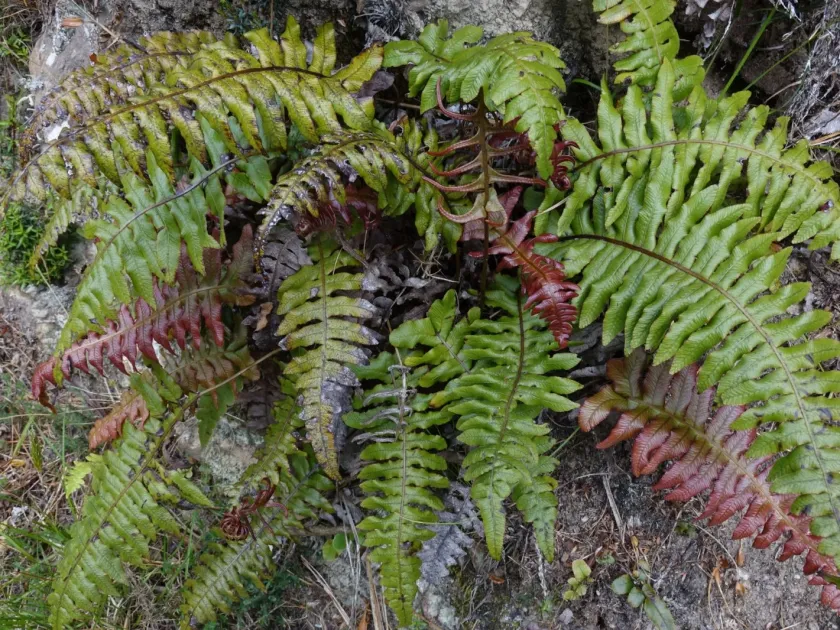
Description
Growing requirements
Blechnum vulcanicum is a distinctive species belonging to the family Blechnaceae. Native to the lush environments of New Zealand, this perennial fern thrives in shaded, moist habitats, often colonizing rocky outcrops and forest floors where organic matter accumulates in abundance.
The successful cultivation of this species relies on replicating its natural humid environment. Agronomic requirements include maintaining relative humidity levels above 60% and ensuring consistent moisture within the root zone without creating waterlogged conditions that could trigger rot.
Soil composition is critical for this plant; it requires a light, well-draining substrate rich in organic content, such as peat moss mixed with perlite or orchid bark. The acidity level should be slightly low to neutral, facilitating optimal nutrient uptake for the fern's fronds.
Climate conditions must remain stable, ideally between 18°C and 22°C. The fern is particularly sensitive to sudden temperature fluctuations and cold drafts, making it essential to place the plant in a sheltered, stable location away from heating vents or exterior doors.
Regarding light exposure, Blechnum vulcanicum prefers bright, indirect light. Prolonged exposure to harsh, direct sunlight will result in leaf scorch, while extremely low light levels can cause leggy growth and a noticeable reduction in the vibrant texture of the fronds.
Main diseases and pests
Spider mites are the most prevalent pest for this fern, especially in environments where humidity is neglected. These pests thrive in dry air, feeding on the undersides of the fronds and causing them to lose their color and eventually wither if not treated with appropriate acaricides.
Root rot caused by overwatering remains a primary threat to the longevity of the plant. If the drainage medium is compromised or if the pot lacks adequate holes, fungal pathogens will quickly colonize the root system, requiring immediate repotting and soil sterilization.
Scale insects can occasionally infest the stems and leaves, appearing as small, brown, waxy bumps. Manual removal using an alcohol-soaked cotton swab, followed by the application of systemic insecticides, is the recommended course of action for effective control.
Fungal spot diseases may occur if the foliage is kept continuously wet, especially in areas with poor airflow. Maintaining good circulation around the plant is vital to keep the leaves dry and prevent spores from germinating on the surface of the fronds.
To ensure healthy growth, routine monitoring for physiological stress is necessary. Wilting or yellowing of the fronds often serves as the first indicator that the environmental conditions—whether light, water, or humidity—are outside the optimal range for the species.