
Blechnum tabulare
Blechnum tabulare
Description
Growing requirements
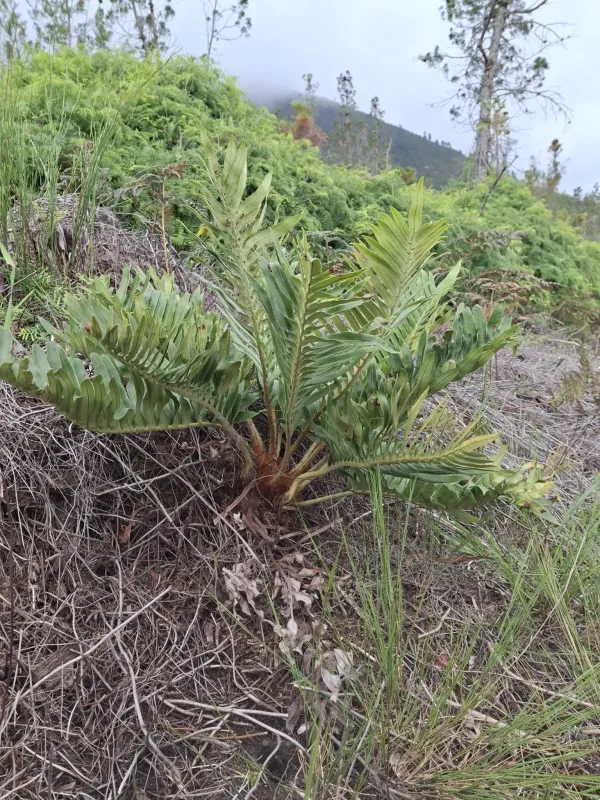
Blechnum tabulare is a robust fern species belonging to the Blechnaceae family. Native to South Africa and various Atlantic islands, it is characterized by its large, leathery fronds and its ability to form a thick, trunk-like base as it matures in suitable growing conditions.
In terms of cultivation, this species thrives in acidic, well-draining soils that are rich in organic matter. Maintaining consistent soil moisture is critical for the plant's health, though waterlogging must be strictly avoided to prevent root decay.
The ideal climate for Blechnum tabulare involves cool to moderate temperatures and high atmospheric humidity. It is best suited for environments that mimic high-altitude forest floors, where shade provides protection from intense midday heat and light.
Regarding light requirements, the plant prefers bright, filtered sunlight. Exposure to direct sunlight can severely damage the fronds, leading to scorched leaf margins and overall plant stress. Proper shade management is the most important aspect of its successful cultivation.
Regular maintenance includes consistent irrigation with soft water, ensuring the substrate remains moist but not saturated. Due to its size, the fern requires stable pots and high-quality potting mix to support its slow but steady growth rate over time.
Main diseases and pests
Scale insects are among the most persistent pests for Blechnum tabulare, often settling in hard-to-reach areas of the frond structure. Manual removal or the use of systemic insecticides is often required for effective control.
Spider mites represent a major threat during periods of low humidity. These pests feed on the underside of leaves, causing discoloration and eventual loss of foliage if left untreated for extended periods.
Fungal infections, such as leaf spot diseases, typically manifest when there is inadequate ventilation and excessive water accumulation on the leaves. Keeping the foliage dry while maintaining soil moisture is a key preventative strategy.
Root rot is a common physiological issue caused by poor drainage or overwatering. Once established, the rot can quickly destroy the root system, necessitating immediate repotting and trimming of the damaged portions.
Nematode infestations can lead to stunted growth and yellowing of the fronds. Prevention involves using sterilized substrate components and ensuring that no contaminated water is introduced into the plant's root environment.