
Blechnum procerum
Blechnum procerum
Description
Growing requirements
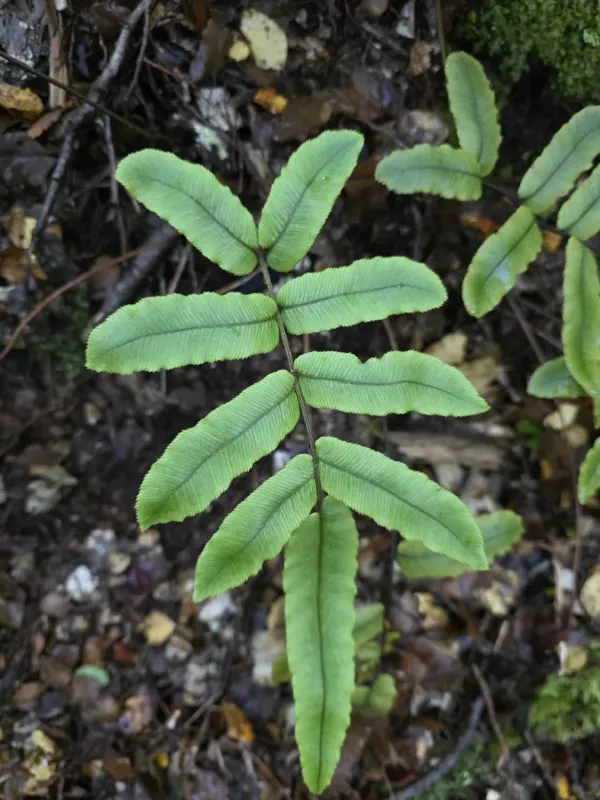
Blechnum procerum is a perennial fern species belonging to the Blechnaceae family. Native to temperate regions of the Southern Hemisphere, particularly New Zealand and Australia, this plant is valued for its unique growth habit and elegant, long fronds.
Botanically, it is characterized by its distinct dimorphic fronds, where sterile and fertile leaves differ significantly in size and shape. The plant thrives in high-humidity environments, making it a popular choice for sheltered outdoor gardens or indoor collections.
The cultural requirements include a well-draining, slightly acidic soil substrate rich in organic matter. A mixture of peat, perlite, and pine bark is typically ideal to ensure the roots receive adequate oxygen while retaining necessary moisture levels.
Climate control is crucial, with an optimal temperature range of 15°C to 22°C. While the plant can tolerate short-term temperature fluctuations, it is best kept away from heat sources and drafty windows, which cause rapid frond dehydration.
Consistent moisture is the cornerstone of its cultivation. Water quality is important; using soft or rainwater is recommended to avoid the buildup of mineral salts, which can negatively affect the development of the fern's sensitive root system.
Main diseases and pests
Scale insects are among the most persistent pests for Blechnum procerum. They often cluster along the stems and the undersides of leaves, requiring manual removal or the application of horticultural oils for effective control.
Spider mites are a common threat, especially in indoor environments with low humidity. These pests cause a stippled appearance on the fronds and can be managed by increasing air humidity and utilizing targeted miticide sprays when necessary.
Fungal leaf spots can occur when the foliage remains wet for extended periods in poorly ventilated conditions. Ensuring good air circulation and avoiding overhead watering are the primary methods for preventing these infections.
Root rot is often the result of improper drainage or overwatering. If the substrate remains waterlogged, the roots lose their ability to absorb nutrients, leading to yellowing and wilting of the older fronds, which may eventually die back.
Mealybugs can infest the crown of the fern, where they are protected by the overlapping scales of the plant. Regular inspection of the central growing point is essential for early detection and mitigation of these pests.