
Oriental blechnum
Blechnum orientale
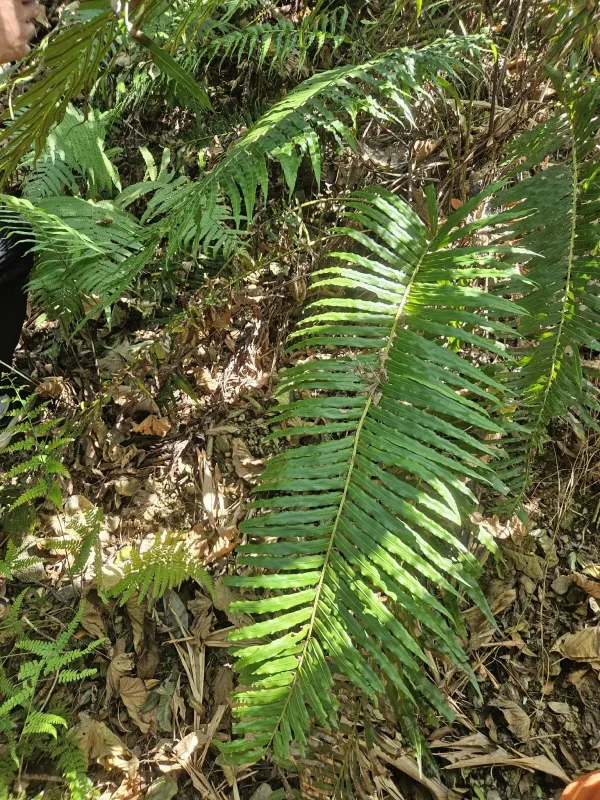
Description
Growing requirements
Oriental blechnum (Blechnum orientale) is a perennial fern species belonging to the Blechnaceae family. Native to the tropical regions of Asia and Australia, it is widely recognized for its elegant, pinnate fronds that can reach significant sizes in favorable conditions.
The culture thrives in well-drained, nutrient-rich, and slightly acidic soils. Proper aeration of the substrate is vital; a heavy soil mix will cause root suffocation and hinder the plant's growth, leading to premature senescence of the fronds.
Humidity is the most important factor in the success of Blechnum orientale. The plant requires constant atmospheric humidity levels above 60%. In commercial cultivation, automatic misting systems are often employed to replicate its natural forest floor environment.
Temperature management requires avoiding extremes. While the plant appreciates warmth between +18°C and +24°C, it is highly susceptible to chill and cold drafts. Stable temperatures ensure consistent growth and maintain the deep green coloration of the foliage.
Lighting should be strictly diffused. Intense sunlight can cause severe leaf scorching, leading to brownish patches and structural weakness of the fronds. Using shade cloth is a standard practice in greenhouses to maintain optimal photosynthetic activity.
Main diseases and pests
Scale insects and spider mites are the most common pests affecting this fern. These organisms thrive in drier environments and can rapidly compromise the health of the plants by draining cell fluids, resulting in yellowing foliage.
Mealybugs are also a persistent threat, hiding in the crooks of the fronds where they are protected from contact sprays. Monitoring and regular inspection of the crown are necessary to detect infestations before they spread.
Root rot is the most destructive disease, often caused by overwatering or poor drainage systems. Once the roots are compromised, the plant struggle to recover, often leading to total loss of the vegetative mass.
Fungal leaf spot diseases may appear if the fronds remain wet for extended periods without adequate air circulation. Keeping the canopy relatively dry while maintaining soil moisture is a delicate balance required for healthy growth.
Management of these threats involves a combination of integrated pest management (IPM) practices, including proper spacing to ensure airflow, meticulous watering schedules, and the targeted use of appropriate pesticides when necessary.