
Blechnum novae-zelandiae
Blechnum novae-zelandiae
Description
Growing requirements
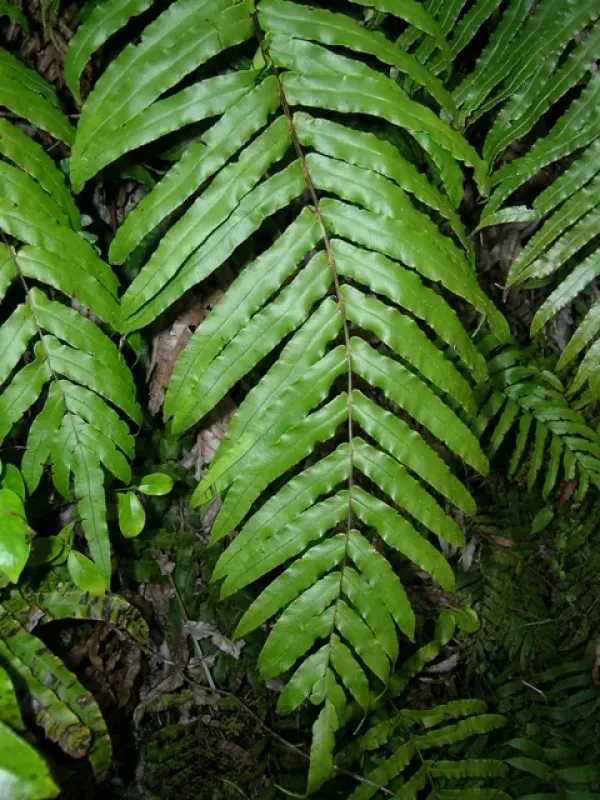
Blechnum novae-zelandiae is an iconic fern species belonging to the Blechnaceae family, native to New Zealand. This ornamental plant is widely recognized for its robust growth habit and distinctive dimorphic fronds, making it a valuable addition to subtropical landscaping.
The plant thrives in shaded or semi-shaded environments, mimicking the understory conditions of its natural rainforest habitat. Exposure to direct intense sunlight should be strictly avoided to prevent foliage scorching and permanent dehydration of the plant.
Optimal soil conditions include a rich, humus-based, well-draining substrate with an acidic to neutral pH. Maintaining consistent soil moisture is crucial, as the root system of this fern is highly sensitive to both prolonged drought and waterlogging.
Climate requirements involve high relative humidity, which is essential for healthy frond development. In regions with drier air, artificial humidification or misting systems are necessary to ensure the plant maintains its structural integrity and aesthetic value.
Botanically, this species is noted for its ability to produce fertile fronds that stand more upright compared to the sterile, spreading fronds. This vertical growth provides a unique architectural element in temperate gardens and interior plant displays.
Main diseases and pests
Common pests associated with this species include scale insects and mealybugs. These sap-sucking insects often congregate near the base of the stems or on the underside of the fronds, weakening the plant over time.
Fungal issues such as root rot frequently occur when the substrate lacks proper aeration or when the plant is subjected to poor drainage, leading to the rapid decay of the rhizomes.
Leaf spot diseases, often caused by Phytophthora or Rhizoctonia, can manifest in humid, stagnant conditions. These infections typically present as dark, necrotic patches on the leaves, which can spread quickly if untreated.
Preventive measures include maintaining proper plant spacing to facilitate airflow and using sterile potting media to minimize the risk of soil-borne pathogens infecting the root system.
If an infestation occurs, horticultural oils or soaps may be effective for mild cases, while severe infections may require the application of selective systemic pesticides to restore the health of the fern.