
Blechnum nigrum
Blechnum nigrum
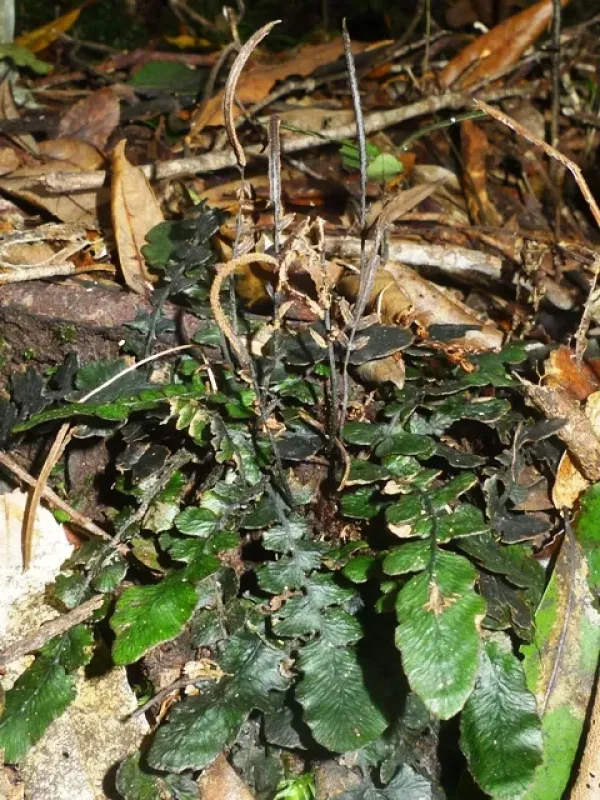
Description
Growing requirements
Blechnum nigrum is a distinctive species of fern belonging to the Blechnaceae family. Native to the lush, humid forests of New Zealand, this plant has adapted to thrive in low-light environments with high atmospheric moisture levels.
To cultivate Blechnum nigrum successfully, one must replicate its natural forest floor conditions. This requires a stable humidity level, ideally sustained through automatic misting systems or a specialized greenhouse environment to ensure the fronds remain lush.
The substrate must be highly specific, favoring an airy, peat-based mix that mimics organic forest litter. Excellent drainage is non-negotiable, as the roots are highly susceptible to suffocation if the soil remains waterlogged for extended periods.
Temperature management is another critical factor in its agronomy. Maintaining a consistent range between 15°C and 22°C is optimal, as extreme heat or cold shocks the plant, leading to stunted frond development and tissue necrosis.
In terms of placement, the plant demands deep shade. Direct exposure to sun is lethal to this species, as it lacks the physiological mechanisms to handle intense solar radiation, which quickly bleaches the foliage and causes permanent damage.
Main diseases and pests
Common pests associated with this fern in a controlled environment include spider mites and mealybugs. These pests thrive in poorly ventilated areas and can quickly decimate the delicate fronds if not managed with immediate intervention.
Root rot is the most prevalent pathological threat, usually caused by improper watering techniques. When the root system remains constantly saturated without aeration, the plant becomes vulnerable to various fungal pathogens that destroy its vascular system.
Foliar diseases, such as fungal leaf spots, often appear when water droplets linger on the fronds in stagnant air. Ensuring adequate air circulation around the plant is vital to prevent moisture-related infections from establishing themselves.
Nutrient deficiency or toxicity can occur if the water quality is poor. High salinity in tap water often causes leaf-tip burn, which is a common diagnostic sign of improper hydration practices in this specific fern species.
Effective pest management involves integrated control strategies, including mechanical removal of insects and the use of soft, systemic pesticides. Avoiding harsh chemicals is essential, as the foliage is highly sensitive to chemical burns.