
Blechnum neohollandicum
Blechnum neohollandicum
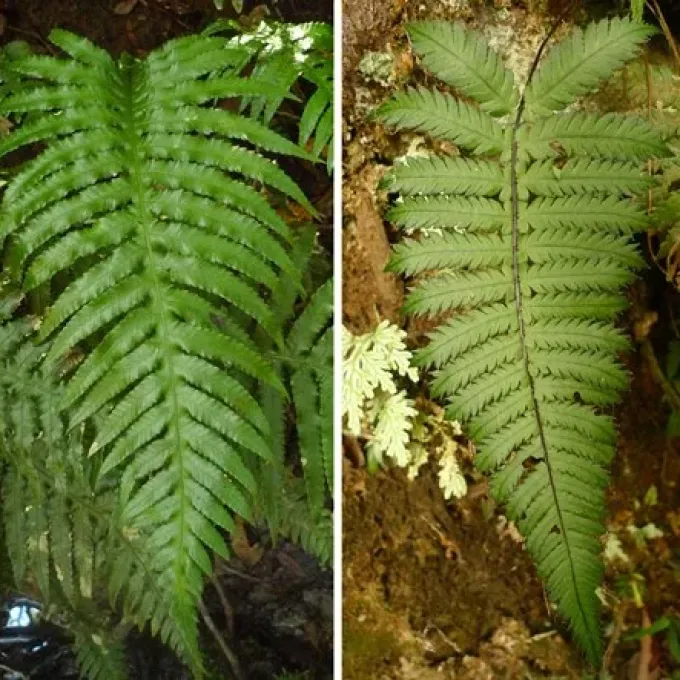
Description
Growing requirements
Blechnum neohollandicum belongs to the Blechnaceae family and is a distinctive perennial fern species originating from the regions of Australia. In its native habitat, it thrives in cool, shaded forest environments with consistently high moisture levels.
The plant requires a stable temperature environment ranging between 18°C and 24°C. It is particularly sensitive to sudden temperature shifts and cold drafts, which can cause the delicate fronds to wither or curl prematurely.
Soil requirements for this fern are quite specific; it demands a well-draining, loose, and moisture-retentive substrate. A mixture of peat, perlite, and decomposed leaf mold is ideal, ensuring the pH level remains slightly acidic to neutral.
Humidity is perhaps the most critical factor for the successful cultivation of Blechnum neohollandicum. Maintaining atmospheric humidity above 60% is essential for healthy growth, often requiring artificial misting or the use of pebble trays in indoor settings.
Watering practices should focus on keeping the substrate moist but not waterlogged. The root system is susceptible to decay if allowed to stand in saturated conditions, so ensuring excellent drainage in the container is a fundamental agricultural practice.
Main diseases and pests
Scale insects are among the most common pests affecting this fern. They adhere to the stems and the undersides of the fronds, where they feed on sap, leading to stunted growth and the eventual yellowing of the foliage.
Mealybugs can also infest Blechnum neohollandicum, particularly in environments with poor air circulation. These pests appear as white cottony masses, and they require prompt removal or treatment with appropriate insecticidal soaps.
Spider mites pose a significant threat during periods of low humidity. These microscopic pests weave webs between the leaflets, causing the fronds to lose their luster and eventually dry out if left untreated.
Root rot, caused by various fungal pathogens, is a frequent issue resulting from overwatering or inadequate soil aeration. It manifests as a darkening and softening of the rhizomes, often necessitating immediate repotting into fresh soil.
Regular inspection of the plant's health is the most effective preventative measure. Cleaning the fronds with a damp cloth can also help remove dust and small populations of pests before they become a serious infestation.