
Blechnum montanum
Blechnum montanum
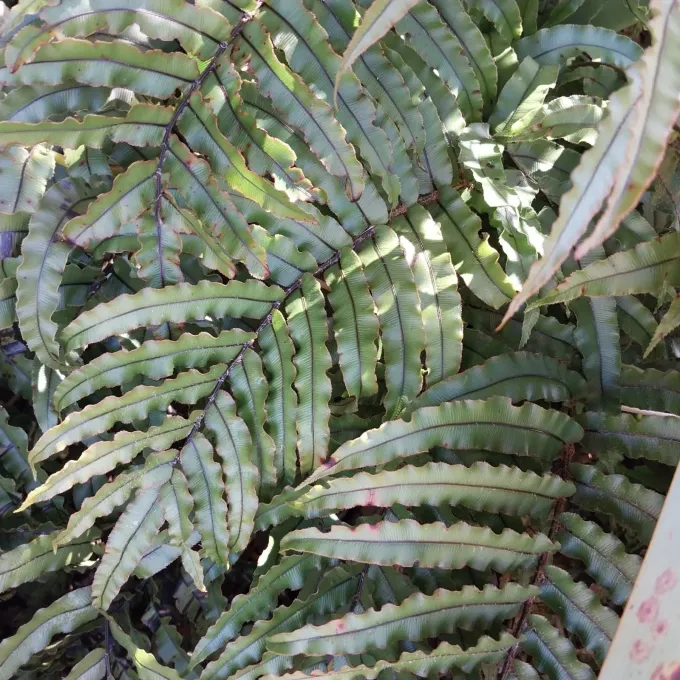
Description
Growing requirements
Blechnum montanum is a perennial fern species belonging to the Blechnaceae family. Known for its aesthetic appeal, this plant forms elegant rosettes of fronds, often used in temperate zone landscaping to create naturalistic forest floors.
The origin of this culture is traced back to the mountainous regions of Europe. It naturally thrives in cool, humid, and shaded environments, which dictates the primary focus of its agrotechnical requirements in domestic gardening.
To ensure healthy growth, the soil must be acidic and well-draining, yet consistently moist. Incorporation of leaf mold or peat into the planting site mimics the natural forest soil composition and supports vigorous rhizome development.
Climate conditions are crucial for this species. It prefers regions with mild summers and high atmospheric humidity. Extreme heat and dry winds can lead to rapid desiccation of the delicate fronds, requiring supplementary irrigation.
Regular maintenance involves keeping the soil moisture stable without causing waterlogging. A thick layer of organic mulch is recommended to preserve ground moisture and suppress competing weeds that could impede the fern's growth.
Main diseases and pests
Scale insects are among the most persistent pests affecting Blechnum montanum. These small insects hide under leaves and stems, requiring systematic insecticidal treatment or manual removal to prevent structural plant damage.
Spider mites pose a significant risk during periods of low humidity. To prevent infestations, it is essential to monitor the foliage regularly and increase ambient humidity through strategic irrigation or misting techniques.
Root rot, primarily caused by Phytophthora species, is a common threat in poorly drained soils. Improving substrate aeration and avoiding overhead watering in cool weather are effective preventative measures.
Fungal leaf spot diseases may occur when leaves remain wet for extended periods in humid, stagnant air. Ensuring proper spacing between individual plants is vital for maintaining good airflow and reducing infection risk.
Slugs and snails can cause cosmetic and structural damage to young, developing fronds. Implementing integrated pest management strategies, including the use of barriers, helps maintain the visual integrity of the foliage throughout the growing season.