
Blechnum membranaceum
Blechnum membranaceum
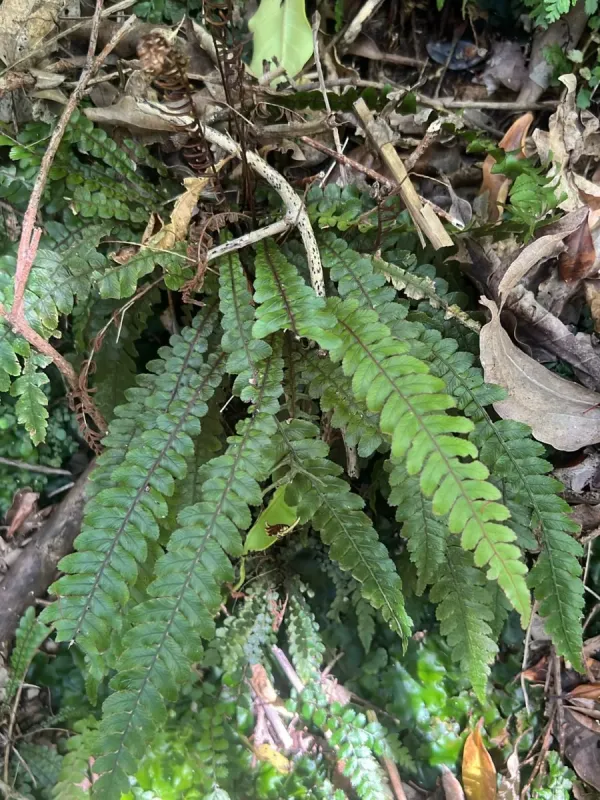
Description
Growing requirements
Blechnum membranaceum is a perennial fern species belonging to the Blechnaceae family. This plant is recognized for its unique biological structure and specific requirements, typically found in humid tropical and subtropical forest ecosystems.
Successful cultivation of this species requires a strictly controlled greenhouse environment. Maintaining consistent humidity levels, ideally above 70%, is essential for the healthy development of its fronds.
The substrate for this culture must be loose, airy, and capable of retaining significant amounts of moisture without becoming waterlogged. Growers typically utilize specialized peat-based mixes enriched with organic materials.
As a shade-loving species, this fern must be protected from direct sunlight, which causes physiological damage and leaf necrosis. Diffused, indirect light is the gold standard for indoor production facilities.
Temperature management is crucial, with an optimal range between 18°C and 24°C. The plant exhibits low tolerance for cold drafts and sudden temperature fluctuations, requiring a stable indoor climate year-round.
Main diseases and pests
The most significant threats to the health of this fern are common greenhouse pests, particularly spider mites and scale insects, which thrive in controlled environments if hygiene is neglected.
Fungal pathogens such as root rot represent a major risk, especially when the root zone remains saturated for extended periods without adequate drainage or air movement.
Pest management programs should prioritize preventative strategies, including the use of sticky traps and regular monitoring of the fronds for early signs of infestation.
When chemical control is necessary, products must be selected carefully to avoid phytotoxic reactions, as ferns can be highly sensitive to certain pesticide formulations.
Providing optimal airflow and maintaining proper spacing between containers are effective non-chemical methods for reducing the incidence of foliage-based diseases.