
Magellanic blechnum
Blechnum magellanicum
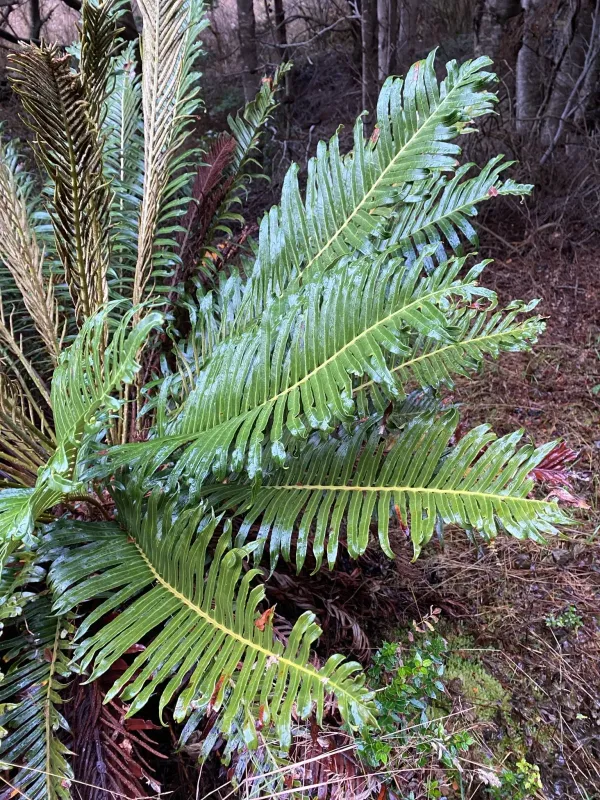
Description
Growing requirements
Magellanic blechnum (Blechnum magellanicum) is an impressive tree-like fern belonging to the Blechnaceae family. It is native to the cool, temperate, and moist regions of South America, particularly the southern parts of Chile and Argentina.
Cultivation of this species requires acidic, nutrient-rich soil with excellent drainage properties. While the plant loves moisture, it is imperative to prevent waterlogging, which can lead to rapid decay of the rhizome and roots.
This fern thrives in partial to full shade environments. When exposed to direct or harsh sunlight, the fronds tend to scorch and lose their vibrant deep green color, making site selection critical for optimal growth.
The climate requirements include high humidity levels and mild temperatures. Extreme heat and dry winds are detrimental to the plant's health, often leading to tip burn on the fronds and general physiological stress.
In terms of routine maintenance, consistent watering is essential during the growing season. If grown in containers or colder climates, the plant needs winter protection to ensure its survival through freezing temperatures.
Main diseases and pests
Scale insects are among the most persistent pests for Blechnum species. They often settle on the underside of the fronds or along the main stem, draining the plant's vitality and causing stunted growth.
Root rot, often caused by overwatering or poorly draining soil, is a primary pathological threat. It typically manifests as a sudden wilting of the fronds, even if the soil appears damp.
Spider mites are another common challenge, especially in low-humidity environments. They cause stippling on the leaves and can lead to severe infestations if left unmanaged during dry weather.
Fungal leaf spots can occur when air circulation is inadequate. Maintaining proper spacing and avoiding overhead watering can help mitigate the risk of these fungal outbreaks significantly.
Regular sanitation, such as removing dead or dying fronds and keeping the surrounding area clean, is the best defensive practice against the most common pests and diseases affecting this fern.