
Blechnum insigne
Blechnum insigne
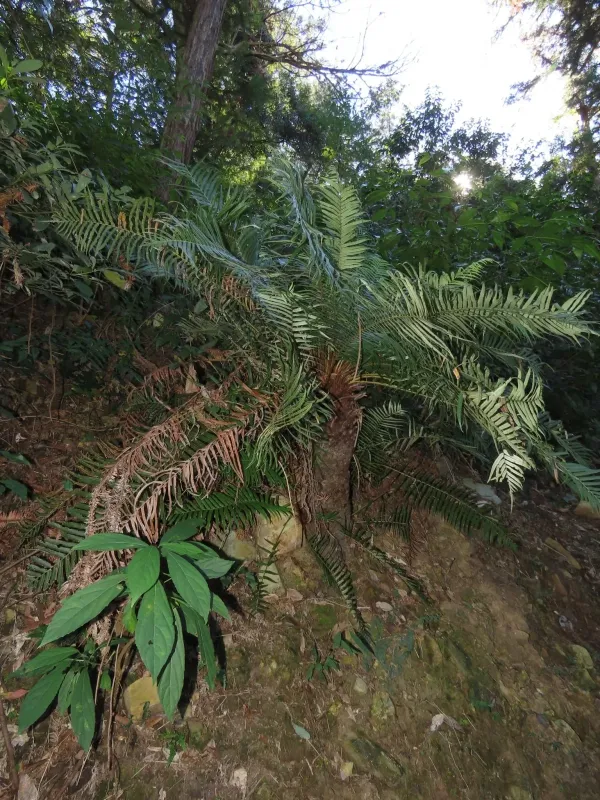
Description
Growing requirements
Blechnum insigne is a remarkable fern species belonging to the Blechnaceae family. It is known for its architectural beauty and is typically grown in specialized environments that mimic its native tropical forest habitat.
The culture thrives in consistent temperatures between +18°C and +24°C. Any significant drop in temperature or exposure to cold drafts can cause physiological stress, manifesting as wilting or discolouration of the fronds.
Humidity management is essential for this plant. A constant atmospheric humidity level of 70% to 80% must be maintained to prevent the desiccation of the delicate fern fronds, which are prone to tip burn in dry air.
The potting medium must be well-draining, acidic, and rich in organic matter. A mix composed of high-quality peat, perlite, and coarse pine bark is generally recommended to provide the necessary aeration for root development.
Light levels must be strictly controlled, as the species requires bright but indirect sunlight. Prolonged exposure to intense solar radiation will inevitably lead to scorched leaves and poor plant development.
Main diseases and pests
The most common pests affecting Blechnum insigne are scale insects and mealybugs. These pests hide in the crevices of the fronds and sap the plant's vigor, requiring diligent monitoring and prompt treatment.
Root rot, driven by pathogenic fungi such as Phytophthora, is the leading cause of plant loss. This is almost exclusively linked to overwatering and the use of poorly draining soil substrates that stay waterlogged for too long.
Fungal leaf spots can occur when humidity is high but air circulation is stagnant. Ensuring adequate ventilation helps to prevent the germination of fungal spores on the leaf surfaces of the fern.
Integrated pest management (IPM) practices should be employed to maintain plant health. Regular inspections of the undersides of the fronds are necessary to detect early stages of infestation before they become critical.
Maintaining the balance between adequate irrigation and proper soil aeration is the primary agronomic goal to ensure the longevity of the plant and to minimize the reliance on chemical pesticides.